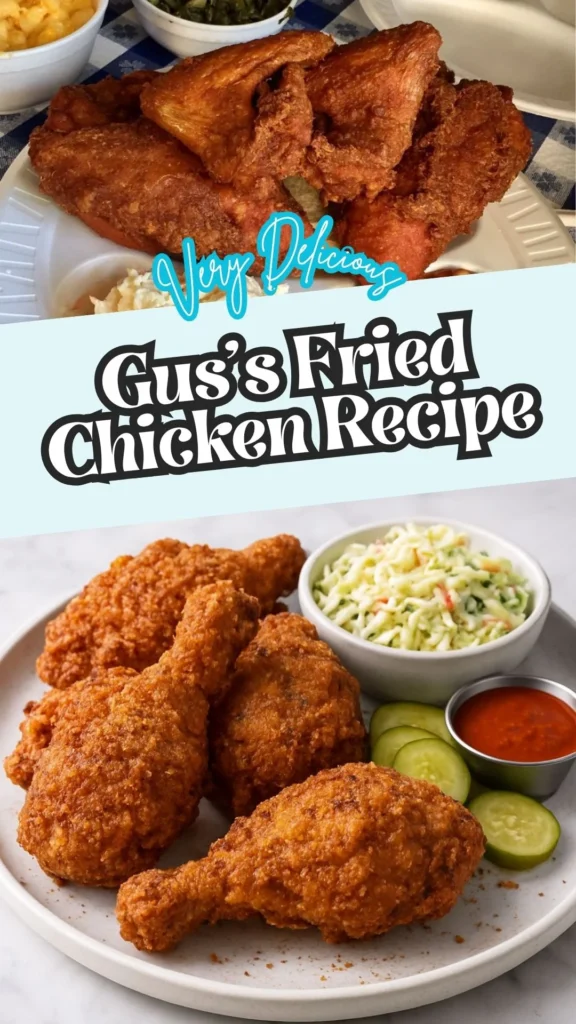
Gus’s Fried Chicken Recipe
There’s a reason people drive across town for a good plate of fried chicken, and this Gus’s Fried Chicken recipe is exactly why.
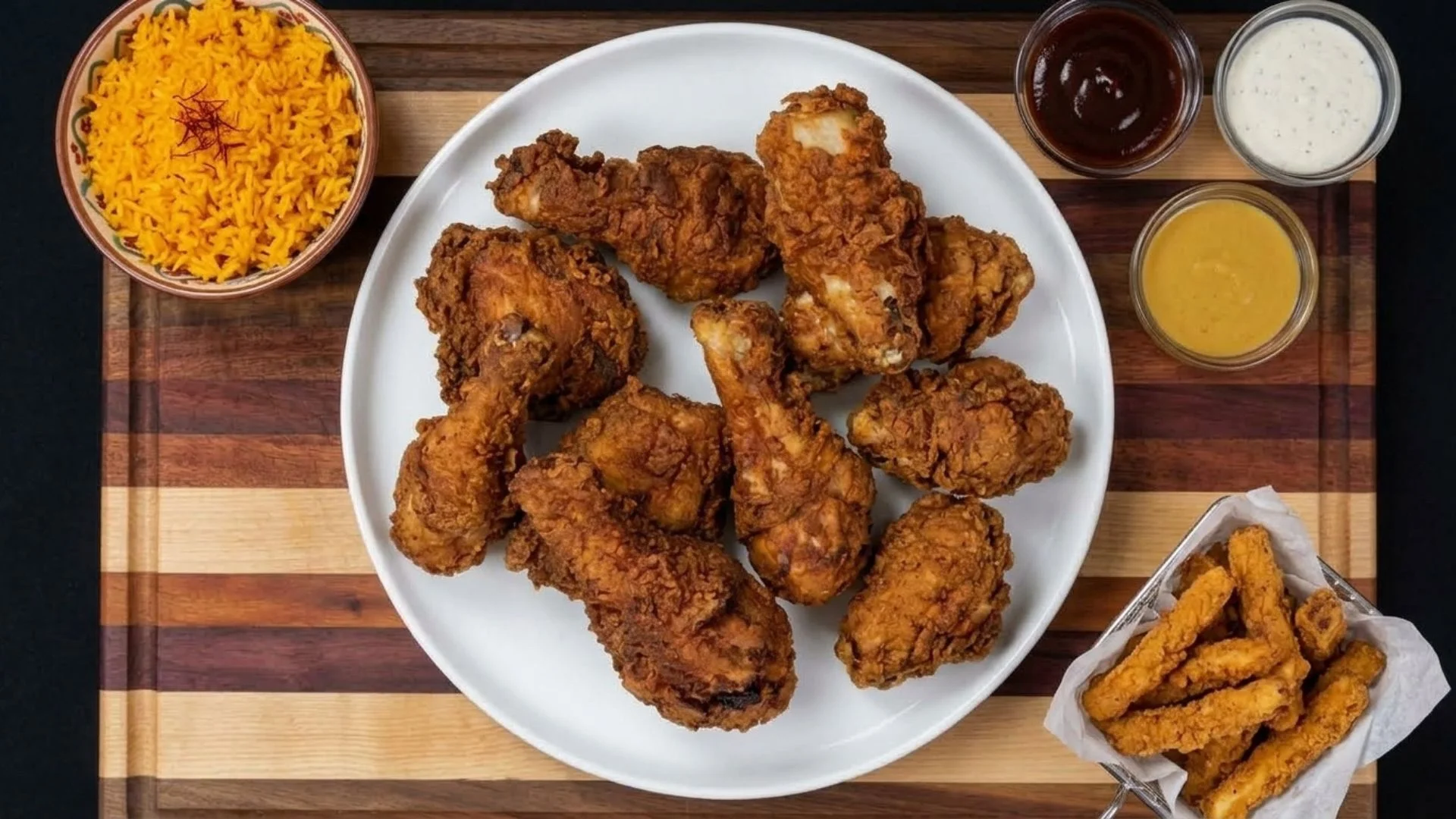
The first time I bit into a piece made this way, the crust cracked with a satisfying snap, giving way to juicy, tangy, well-seasoned meat underneath. Serve it alongside Cava Saffron Rice for a flavorful pairing that adds fragrant, savory rice to every crispy bite.
That tang comes from a secret most home cooks overlook: dill pickle juice in the marinade. It’s the kind of detail that turns “pretty good” fried chicken into the dish people talk about for weeks.
This recipe walks you through the whole process, from marinade to golden crust, so you can bring that same craveable flavor into your own kitchen tonight.
What Is Gus’s Fried Chicken and Why Do Fans Love It?
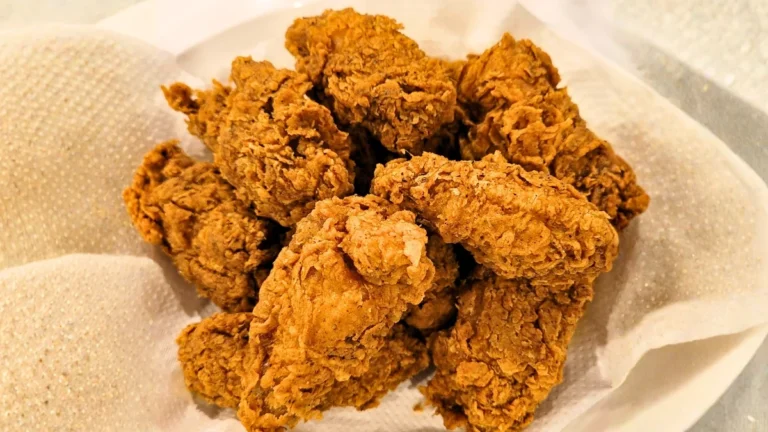
Gus’s Fried Chicken is a Southern-style fried chicken known for its spicy, crackly crust and juicy interior, inspired by the beloved Memphis institution Gus’s World Famous Fried Chicken.
What sets it apart from standard fried chicken is the double layer of tang and heat: a buttermilk-and-pickle-juice soak that tenderizes the meat and infuses it with brightness, paired with a Creole-seasoned flour coating that delivers real kick with every bite.
Compared to milder styles like classic Southern buttermilk fried chicken or heavily battered fast-food versions, this style skips the thick, doughy coating in favor of a thin, intensely seasoned crust that lets the chicken’s flavor shine. Fans love it because it hits every note at once – tangy, salty, peppery, and deeply savory – without feeling heavy or overworked.
The Nostalgic History Behind Gus’s Fried Chicken
Fried chicken has deep roots in Southern and African American culinary traditions, but the specific style behind Gus’s Fried Chicken traces back to a small, unassuming restaurant in Mason, Tennessee, whose recipe eventually became a Memphis legend.

For decades, this style of chicken stayed a regional secret, passed along through family kitchens and small-town diners rather than national chains. As fast-food fried chicken became more standardized and heavily battered over the years, this style stood apart by staying true to a thin, cracker-crisp crust and a marinade-forward approach to flavor.
It’s this old-school, unfussy method – not a thick batter or elaborate breading station – that distinguishes it from newer, trend-driven fried chicken recipes.
Key Ingredients That Give Gus’s Fried Chicken Its Signature Flavor
The magic of this recipe comes down to a handful of ingredients working together. Buttermilk is the backbone of the marinade, tenderizing the chicken while adding a subtle tang. Dill pickle juice takes that tang further, doubling as a natural brine that seasons the meat from the inside out and keeps it juicy during frying.
A splash of water loosens the marinade just enough to coat every piece evenly. On the breading side, a Creole seasoning blend – typically built from onion, garlic, and paprika – delivers the smoky, slightly spicy backbone that makes this chicken instantly recognizable.
Kosher salt and freshly ground black pepper round things out, adding sharpness and depth without masking the other flavors. Finally, frying in vegetable oil in a cast iron skillet gives the crust an even, deep-golden color and a crispness that’s hard to replicate in other pans.
Gus’s Fried Chicken Recipe Ingredients
Here’s everything you’ll need, along with why each ingredient matters and how you can swap it if needed.
For the marinade:
- Chicken pieces – washed, cleaned, and patted dry (bone-in, skin-on pieces like thighs, drumsticks, and breasts work best for juiciness and flavor)
- Buttermilk – enough to coat the chicken generously; tenderizes the meat and adds tang. Substitute: whole milk with a tablespoon of lemon juice or vinegar per cup, stirred and left to sit for 5 minutes
- Dill pickle juice – adds brightness and seasons the chicken from within. Substitute: juice from spicy pickles for extra heat, or a splash of vinegar with a pinch of dill if pickle juice isn’t on hand
- Water – a small amount to loosen the marinade slightly
And for the breading:
- Flour – about 1 cup, the base of the crispy coating. Substitute: a gluten-free all-purpose flour blend works in equal measure
- Creole Kick seasoning (or a similar Creole blend with onion, garlic, and paprika) – about half the amount of the flour, or to taste; this is what gives the crust its signature kick. Substitute: a mix of paprika, garlic powder, onion powder, cayenne, and dried oregano
- Kosher salt – a few pinches, adjusted to taste
- Freshly ground black pepper – a generous amount for depth and mild heat
Frying:
- Vegetable oil – enough to fill a cast iron skillet about halfway up the chicken pieces; look for a neutral oil with a high smoke point (canola or peanut oil also work well)
Tools You Need to Make Gus’s Fried Chicken at Home
You don’t need fancy equipment for this recipe – just a few reliable basics:
- A large resealable bag or container (for marinating)
- A mixing bowl (for the seasoned flour)
- A cast iron skillet (essential for even heat and a great crust)
- A cooking thermometer (for both oil temperature and chicken doneness)
- Tongs (for safely flipping the chicken)
- A baking sheet or wire rack (to rest the coated chicken and the finished pieces)
- Paper towels (for draining excess oil)
Prep time: 20 minutes (plus 30 minutes to overnight marinating)
Cook time: 20–25 minutes
Total time: Roughly 1 hour, or up to 24 hours if marinating overnight
Steps to Make Gus’s Fried Chicken Recipe
1. Marinate the Chicken: Place the cleaned, patted-dry chicken pieces into a large resealable bag or container. Pour in buttermilk (enough to coat the chicken generously, roughly half a bag’s worth), followed by the dill pickle juice and a small splash of water.
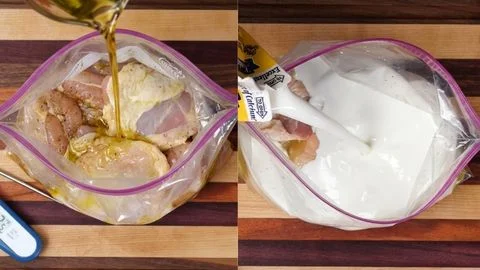
Seal the bag and massage or mix so every piece is well coated in the marinade. Refrigerate for at least 30 minutes, though 2 to 4 hours – or even overnight – gives the best flavor and texture.
2. Prepare the Seasoned Flour: When ready to cook, combine the flour with Creole seasoning (start with about half the amount of the flour), a few pinches of kosher salt, and a generous amount of black pepper in a bowl or bag.
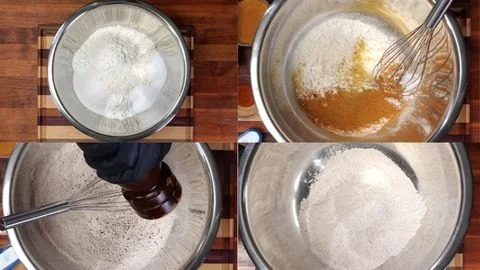
Mix thoroughly and taste the mixture, adjusting seasoning as needed.
3. Heat the Oil: Heat vegetable oil in a cast iron skillet over medium-high heat until it reaches 350–360°F.
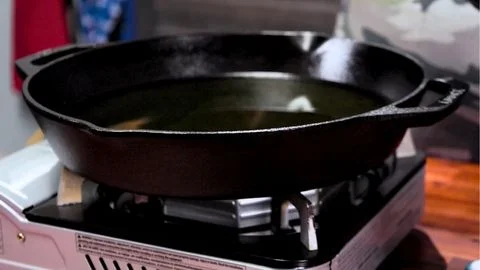
You’ll know it’s ready when you see gentle shimmer or ripples across the surface.
4. Dredge the Chicken: Remove each piece of chicken from the marinade, letting excess liquid drip off. Dredge each piece thoroughly in the seasoned flour, pressing and squeezing the coating onto the chicken so it adheres well.
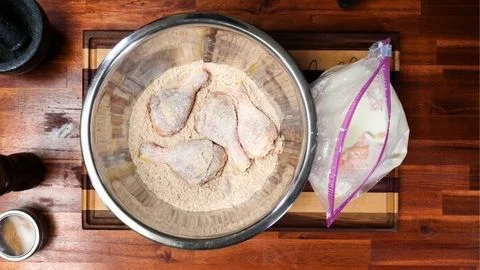
Set the coated pieces on a baking sheet or plate to rest while the oil finishes heating.
5. Fry the Chicken: Carefully lower the chicken into the hot oil, working away from yourself to avoid splatter.
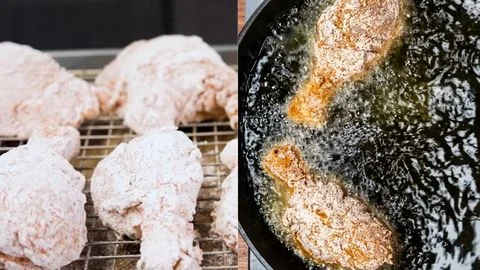
Avoid overcrowding the skillet – fry in batches if needed. Fry, flipping occasionally, until the coating turns deep golden brown and the internal temperature reaches 165°F.
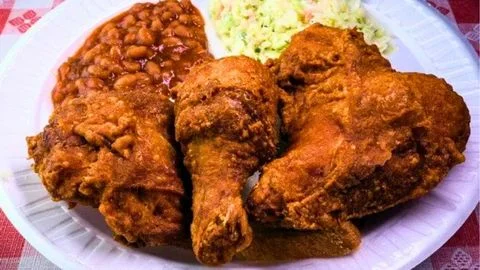
6. Rest and Serve: Remove the chicken from the oil and let it rest briefly on a wire rack or paper towels before serving.
Pro Tips for Getting the Flavor Just Right
A few small details separate good fried chicken from great fried chicken. First, don’t rush the marinade – even though 30 minutes works in a pinch, letting the chicken soak for several hours or overnight lets the buttermilk and pickle juice fully tenderize the meat and season it from the inside out.
Second, always taste your seasoned flour before dredging. It should taste well-balanced and slightly bold on its own, since a lot of that flavor mellows once fried. Third, resist the urge to skip the resting step after dredging – letting the coated chicken sit for 5–10 minutes helps the flour adhere better, reducing the chance of it falling off in the oil.
Temperature control is another common pitfall: oil that’s too hot burns the crust before the inside cooks through, while oil that’s too cool leads to greasy, soggy chicken. Keep it steady between 350–360°F, checking periodically since it will dip when chicken is added.
Finally, avoid overcrowding the skillet, which drops the oil temperature and steams the chicken instead of frying it. Fry in batches, and always let the finished chicken rest on a rack rather than paper towels alone, so steam doesn’t soften the crust.
Easy Variations to Customize This Fried Chicken
This recipe is flexible enough to adapt to your taste. For extra heat, add a few dashes of hot sauce to the buttermilk marinade or a pinch of cayenne to the flour. If you prefer a milder version, cut the Creole seasoning in half and add a touch more salt and pepper instead.
Boneless chicken thighs or tenders work well for a quicker-cooking version, ideal for weeknights or sandwiches. You can also swap dill pickle juice for spicy pickle brine if you want extra kick alongside the tang. For a slightly different texture, try adding a tablespoon of cornstarch to the flour mixture for an even crispier, shatter-style crust.
Best Ways to Serve Gus’s Fried Chicken in Your Meals
This fried chicken fits naturally into all kinds of meals, from casual weeknights to weekend spreads. For a traditional Southern-style plate, pair it with creamy mashed potatoes, warm cornbread, and a vinegar-forward coleslaw – the slaw’s acidity cuts through the richness of the fried crust perfectly.
If you’re after something a little lighter, serve it alongside a crisp green salad tossed in a citrus vinaigrette, which balances the deep, savory flavor of the chicken. This recipe also works beautifully as a shareable appetizer at gatherings, especially with dipping sauces like honey mustard, spicy ranch, or a tangy remoulade on the side.
Got leftovers? Turn them into a next-day sandwich with pickles, a drizzle of hot honey, and a soft brioche bun for an easy, flavor-packed lunch. It’s also a fantastic addition to a Southern-style brunch spread, served alongside fluffy waffles and warm maple syrup for that classic sweet-and-savory pairing.
And for a heartier weeknight dinner, add it to a simple rice bowl with sautéed greens for a comforting, well-rounded plate. However you plate it, this chicken is flavorful enough to be the star of the meal while still complementing whatever sides you build around it.
How to Store and Reheat Gus’s Fried Chicken
Store leftover fried chicken in an airtight container in the refrigerator for up to 3–4 days. To reheat while keeping the crust crisp, avoid the microwave – instead, warm the chicken in a 375°F oven or air fryer for 10–15 minutes until heated through and crispy again.

For longer storage, freeze cooked chicken for up to 2 months, then reheat from frozen in the oven, adding extra time as needed.
Nutrition Facts and Dietary Notes
A typical serving of this fried chicken (one piece) runs roughly 280–350 calories, depending on the cut and amount of oil absorbed during frying. It’s a good source of protein, offering around 20–25 grams per serving.
For a gluten-free version, swap the flour for a gluten-free all-purpose blend. This recipe isn’t naturally keto-friendly due to the flour coating, but can be adapted using almond flour or pork rind crumbs. It’s not suitable for vegan diets as written, given the chicken, buttermilk, and animal-based ingredients throughout.
FAQs About Gus’s Fried Chicken Recipe
Your guide to frequently asked Gus’s Fried Chicken Recipe questions and answers.
1. Why does this recipe use dill pickle juice in the marinade?
Dill pickle juice adds tang and acts as a natural brine, seasoning the chicken from within while helping keep it tender and juicy.
2. Can I bake this instead of frying it?
Yes, though the texture will differ. Bake at 425°F on a wire rack for about 35–40 minutes, flipping halfway, for a crispier oven-baked version.
3. What’s the best oil temperature for frying?
Aim for 350–360°F. This ensures a crisp, golden crust while allowing the chicken to cook through without burning.
4. How do I know the chicken is fully cooked?
Use a thermometer to check that the internal temperature reaches 165°F at the thickest part of the meat.
5. Can I make this chicken ahead of time?
Yes. You can marinate the chicken up to 24 hours in advance, and fried chicken reheats well in the oven or air fryer within a few days of cooking.
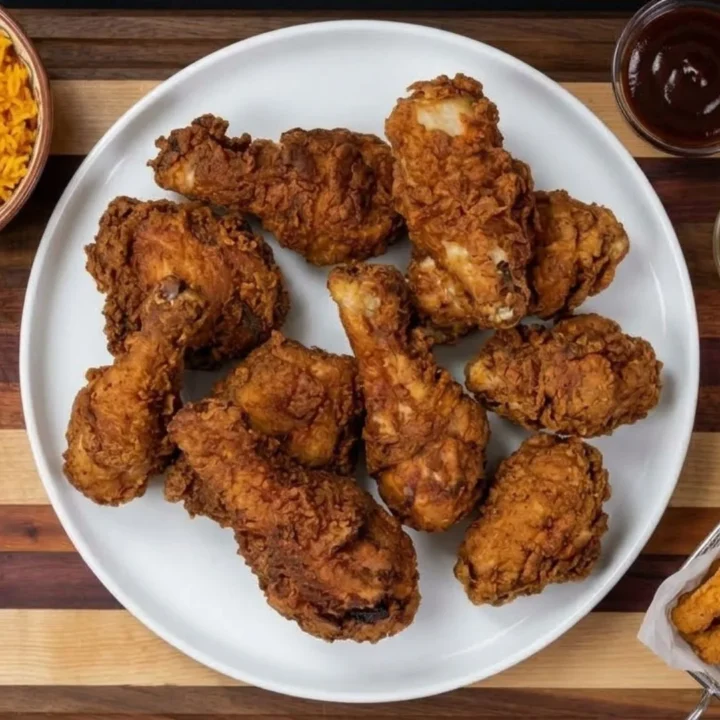
Gus’s Fried Chicken Recipe
There’s a reason people drive across town for a good plate of fried chicken, and this Gus’s Fried Chicken recipe is exactly why. The first time I bit into a piece made this way, the crust cracked with a satisfying snap, giving way to juicy, tangy, well-seasoned meat underneath. That tang comes from a secret most home cooks overlook: dill pickle juice in the marinade. It’s the kind of detail that turns “pretty good” fried chicken into the dish people talk about for weeks.
Ingredients
- Chicken pieces
- Buttermilk
- Dill pickle juice
- Water
- Flour
- Creole Kick seasoning
- Kosher salt
- Freshly ground black pepper
- Frying:
- Vegetable oil
Instructions
- Marinate the Chicken: Place the cleaned, patted-dry chicken pieces into a large resealable bag or container. Pour in buttermilk (enough to coat the chicken generously, roughly half a bag’s worth), followed by the dill pickle juice and a small splash of water. Seal the bag and massage or mix so every piece is well coated in the marinade. Refrigerate for at least 30 minutes, though 2 to 4 hours – or even overnight – gives the best flavor and texture.
- Prepare the Seasoned Flour: When ready to cook, combine the flour with Creole seasoning (start with about half the amount of the flour), a few pinches of kosher salt, and a generous amount of black pepper in a bowl or bag. Mix thoroughly and taste the mixture, adjusting seasoning as needed.
- Heat the Oil: Heat vegetable oil in a cast iron skillet over medium-high heat until it reaches 350–360°F. You’ll know it’s ready when you see gentle shimmer or ripples across the surface.
- Dredge the Chicken: Remove each piece of chicken from the marinade, letting excess liquid drip off. Dredge each piece thoroughly in the seasoned flour, pressing and squeezing the coating onto the chicken so it adheres well. Set the coated pieces on a baking sheet or plate to rest while the oil finishes heating.
- Fry the Chicken: Carefully lower the chicken into the hot oil, working away from yourself to avoid splatter. Avoid overcrowding the skillet – fry in batches if needed. Fry, flipping occasionally, until the coating turns deep golden brown and the internal temperature reaches 165°F.
- Rest and Serve: Remove the chicken from the oil and let it rest briefly on a wire rack or paper towels before serving.
Notes
Store leftover fried chicken in an airtight container in the refrigerator for up to 3–4 days. To reheat while keeping the crust crisp, avoid the microwave – instead, warm the chicken in a 375°F oven or air fryer for 10–15 minutes until heated through and crispy again. For longer storage, freeze cooked chicken for up to 2 months, then reheat from frozen in the oven, adding extra time as needed.
Nutrition Information:
Yield: 8 Serving Size: 1Amount Per Serving: Calories: 240
And there you have it – a fried chicken recipe that’s tangy, spicy, and endlessly craveable, all thanks to a few simple but powerful ingredients. Whether you’re making it for a weeknight dinner or a weekend gathering, this Gus’s Fried Chicken Recipe is sure to become a regular in your kitchen rotation.
Give it a try, and let me know in the comments how yours turned out – I’d love to hear your tweaks and favorite sides. For more Southern-nspired recipes, be sure to browse around the blog for what to make next.
We’d love to hear how this recipe turns out for you! Give it a try, then drop a comment below to share your thoughts and tips with us.
You can also follow us on Pinterest, and YouTube for more delicious updates and kitchen inspiration. Your feedback and support mean the world to us!