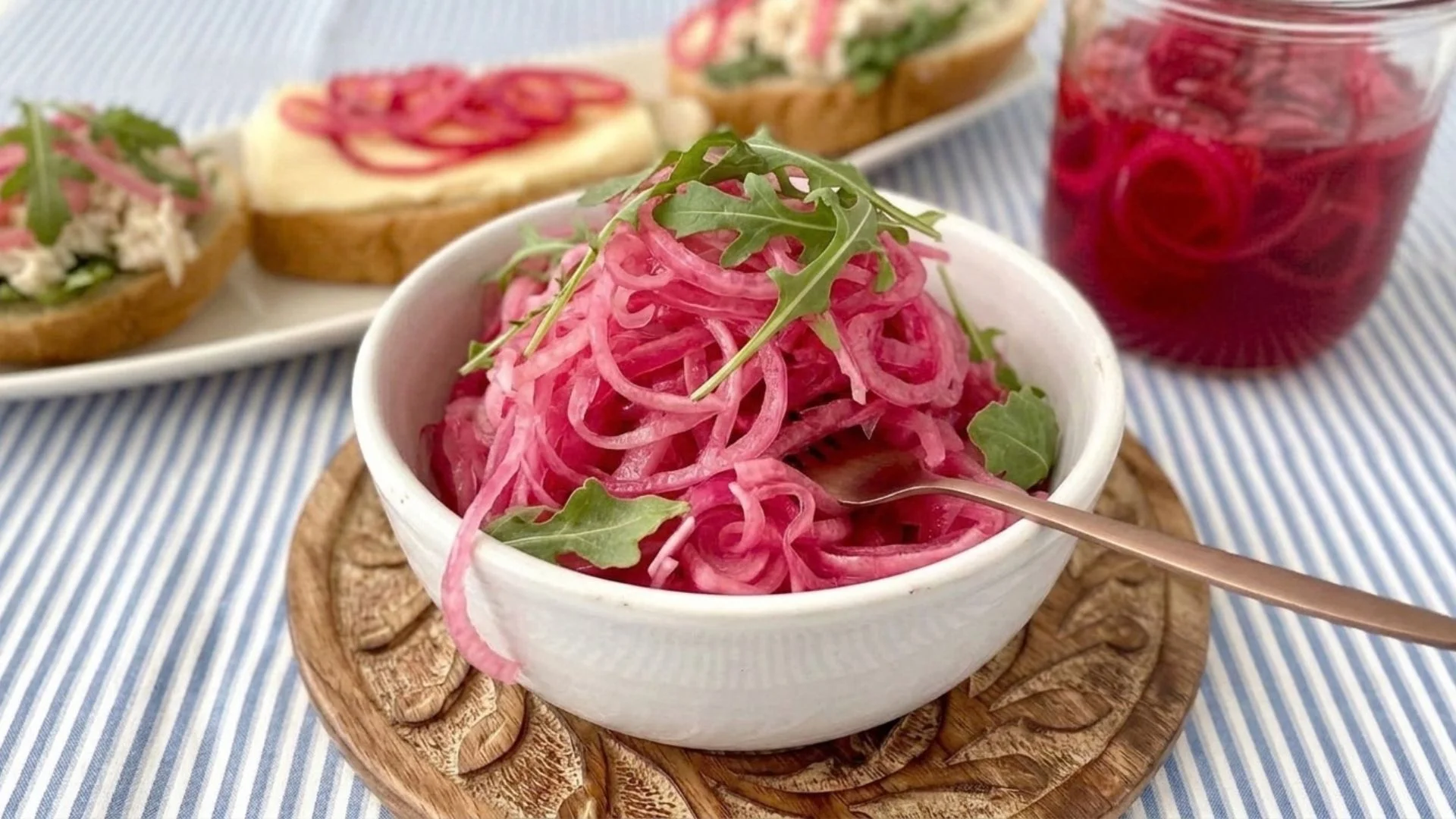
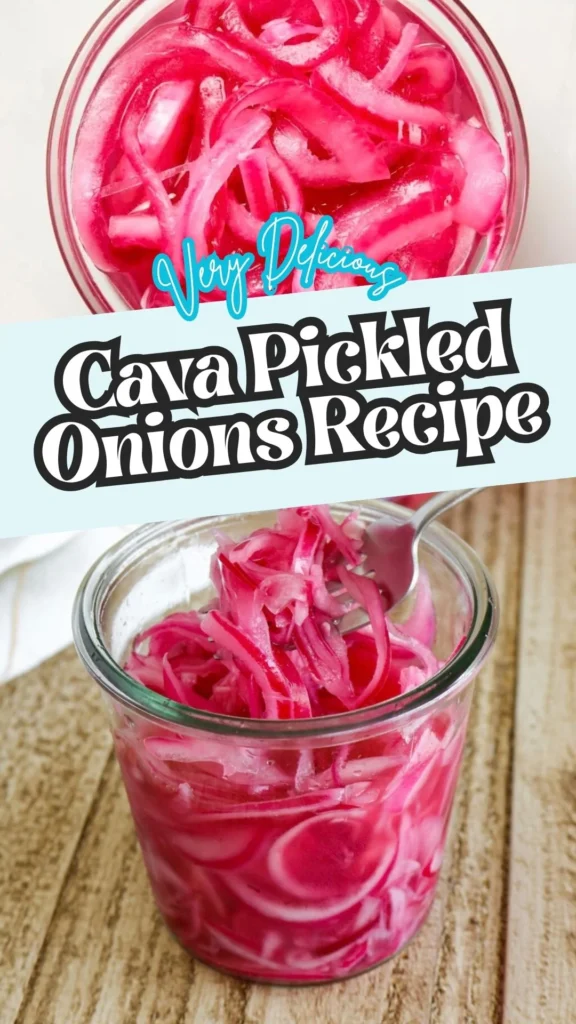
Cava Pickled Onions Recipe
I’ll never forget the first time I tried Cava’s pickled red onions – I was skeptical, if I’m honest. I’ve made hundreds of jars of pickled onions over the years, and I didn’t think a fast-casual chain could surprise me.
But one bite in, and I was hooked: that gorgeous magenta color, the gentle warmth from the spices, the perfect push and pull between tangy and sweet. I went home that same week and started testing in my own kitchen until I cracked it.
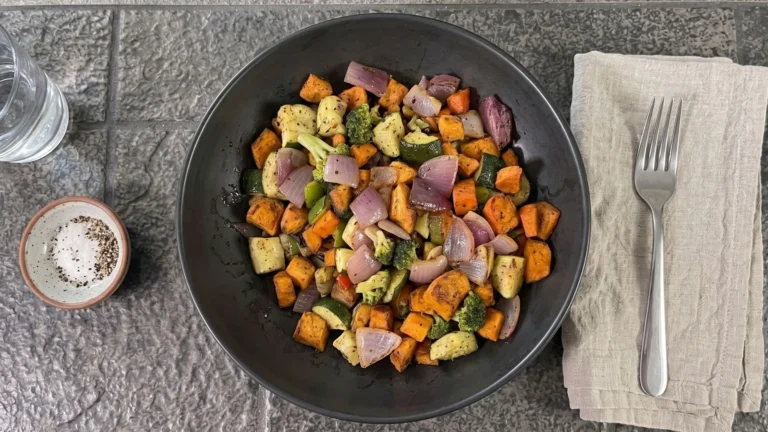
This flavorful recipe pairs beautifully with Falafel and hummus, while cava cabbage slaw adds a fresh, crunchy contrast. You can also serve it alongside cava roasted vegetables for a delicious, colorful, and satisfying meal.
This cava pickled onions recipe is the result – simple, fast, and honestly better than takeout because you control every ingredient. Fifteen minutes of hands-on work is all it takes, though I’ll warn you now: they need an overnight rest before they’re ready, so plan accordingly.
What Is This Food and Why Do Fans Love It?
Cava pickled red onions are thin, vinegar-brined slices of red onion with a bright, tangy-sweet bite and just a whisper of warm spice from cumin, coriander, and star anise. Unlike plain pickled onions you might find at a diner, this version has real depth – the optional spice blend gives it a slightly Mediterranean, almost smoky undertone that sets it apart from basic refrigerator pickles.
Compared to quick pickles made with just vinegar and sugar, pickled onions cava style lean into complexity: garlic adds savoriness, caraway and black peppercorns add subtle heat, and the sugar balances the vinegar’s sharpness without making them taste candied.
Fans love them because they do double duty – they’re acidic enough to cut through rich, fatty foods (think falafel, grilled meats, creamy dips), yet sweet enough to eat by the forkful straight from the jar. That balance of crunch, tang, and gentle spice is exactly why this copycat cava pickled onions recipe has such a cult following.
The Nostalgic History Behind This Food
Pickled onions have been a pantry staple for centuries, a simple way to preserve a harvest before refrigeration existed. Red onions in vinegar brine showed up in cuisines from Latin America to the Middle East long before fast-casual chains put them on a menu.
What Cava did was popularize a specific style – thinly sliced, lightly spiced, and gently sweetened – that felt fresh against the backdrop of older, harsher versions that were often overly sour or mushy. Older styles of pickled onions tended to skip the warm spices entirely, relying on vinegar alone, which made them sharp but one-dimensional.
The cava pickled red onions recipe distinguishes itself with that layered spice blend and a shorter, gentler pickling time, keeping the onions crisp rather than soft – a small shift that made a nostalgic classic feel modern again.
Key Ingredients That Give This Food Its Signature Flavor
The magic of this cava pickled onions recipe comes down to a few key players working together. Red onions are non-negotiable – their natural sugars and mild bite turn a stunning pink-red once they hit the acidic brine, which is also why the color is so vivid.
White vinegar provides the backbone of sharp acidity that defines any good pickle, while water tempers it so the onions aren’t overwhelmingly sour. Sugar is technically optional, but it’s what gives pickled onions cava their signature sweet-tangy balance rather than a flat, one-note sourness. Garlic cloves, crushed rather than minced, infuse the brine with a mellow savoriness as they soften in the hot liquid.
Then there’s the spice blend – cumin and coriander seeds bring warmth and earthiness, caraway adds a subtle anise-like note, black peppercorns contribute gentle heat, and a single star anise rounds everything out with a faint licorice sweetness. Together, these ingredients are what separate this recipe from a basic vinegar pickle.
Cava Pickled Onions Recipe Ingredients
Main ingredients:
- 2 medium to large red onions – the star of the dish; look for firm, unblemished onions for the best crunch
- 2 cloves garlic, peeled – adds subtle savory depth to the brine
- 1 cup (250 ml) white vinegar – provides the essential tang; apple cider vinegar can be substituted for a milder, fruitier flavor
- 1 cup (250 ml) water – balances the vinegar’s acidity
- 1½ teaspoons (6 g) sea salt flakes – enhances flavor and helps preserve the onions; kosher salt works as a substitute
- 3½ tablespoons (75 g) white sugar (optional) – balances the acidity; can be reduced or swapped for honey or a sugar substitute for a lower-sugar version
Optional spices (for that signature Cava flavor):
- 1 teaspoon (2 g) cumin seeds – warm, earthy depth
- 1 teaspoon (2 g) coriander seeds – citrusy, slightly sweet undertone
- ½ teaspoon (0.5 g) caraway seeds – subtle anise-like flavor
- ½ teaspoon (1 g) black peppercorns – gentle heat
- 1 star anise – adds a faint licorice sweetness; can be omitted if unavailable
Tools You Need to Make This Recipe at Home
- Medium-to-large heavy-based saucepan
- Sharp knife and cutting board
- Measuring cups and spoons
- Sterilized glass jars with lids (about 3 cups total capacity)
- Stirring spoon
Prep time: 10 minutes
Cook time: 5 minutes
Chill time: Overnight (minimum 8 hours)
Total time: About 15 minutes active, plus overnight rest
Steps to Make This Cava Pickled Onions Recipe
1. Prepare the Onions
Slice off both ends of the red onions, cut them in half, and peel off the skins.
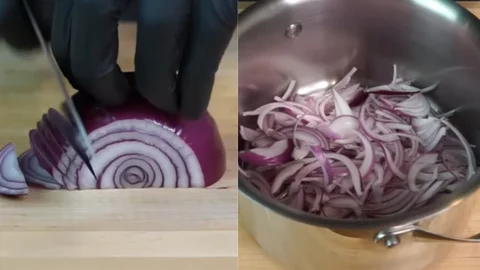
Save the scraps for stock if you like. Slice the onions into thin strips.
2. Combine Ingredients in the Pan
Place the sliced onions into a medium-to-large heavy-based saucepan. Crush the peeled garlic cloves with the side of a knife and add them to the pan.
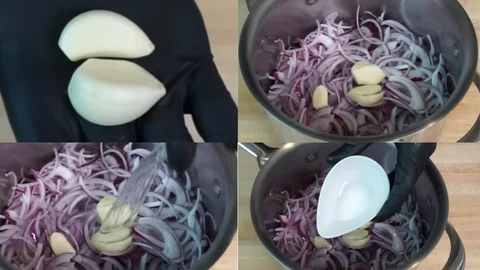
Add the white vinegar, water, sea salt flakes, white sugar (if using), and any optional spices.
3. Bring to a Boil
Place the saucepan over high heat on the largest burner.
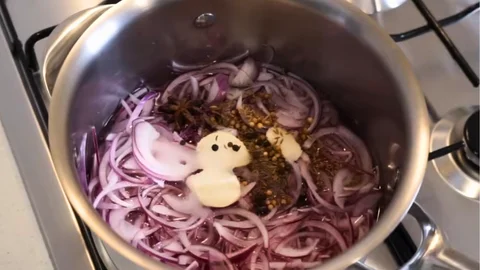
Stir well so the onions are fully submerged in the brine, and bring the mixture to a boil.
4. Simmer Briefly
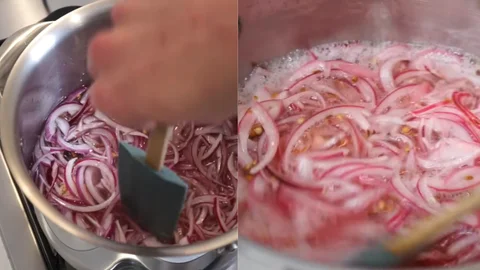
Once boiling, reduce the heat to low, give it a quick stir, and simmer for 1 minute to dissolve the salt and sugar and meld the flavors.
5. Pack into Jars
Turn off the heat and remove the pan from the stove. Transfer the hot onions, garlic, and spices into sterilized or clean jars.
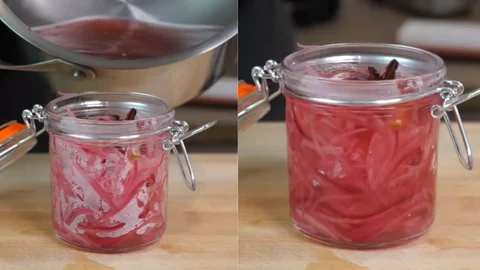
Pour the pickling brine over them, making sure everything is fully submerged.
6. Cool, Seal & Store
Let the jars cool to room temperature, then seal the lids and refrigerate.
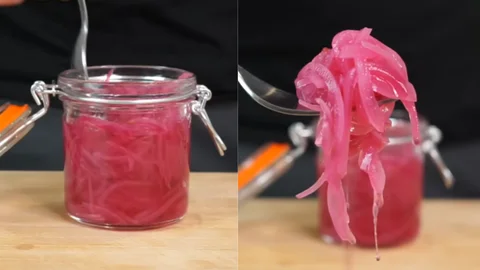
Let them sit overnight before using – this is when the flavor really develops.
Pro Tips for Getting the Flavor Just Right
Slice your onions thin and even – a mandoline helps here, since thinner slices pickle faster and give you that signature delicate crunch rather than thick, chunky rings. A common mistake is pouring brine over raw, cold onions; this recipe works because the onions are heated briefly in the brine itself, which softens them just enough while keeping bite and helps them absorb flavor faster.
Don’t skip crushing the garlic rather than mincing it – whole crushed cloves release flavor slowly without turning bitter or overpowering the brine, and you can easily fish them out later if you prefer a milder garlic presence. If you’re toasting your spices first (optional but recommended), do it dry in the pan for 30–60 seconds until fragrant before adding liquid – this deepens the cumin and coriander’s nutty notes significantly.
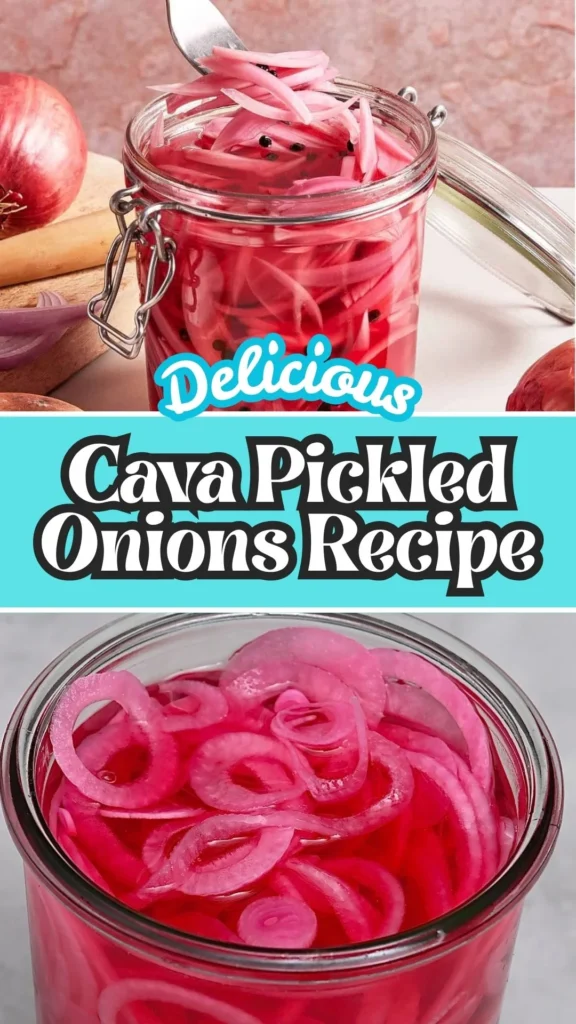
Resist the urge to taste-test and eat these the same day. The overnight rest in the fridge is non-negotiable; that’s when the vinegar fully penetrates the onion layers and the color turns that deep, vivid pink. Lastly, always make sure the onions are fully submerged in brine before sealing – any exposed bits can discolor or turn limp faster than the rest of the batch.
Easy Variations to Customize This Food
Want it spicier? Add a sliced jalapeño or a pinch of red pepper flakes to the brine. For a milder, sweeter version, skip the warm spices entirely and use just vinegar, water, salt, and sugar – a simpler take on pickled red onions cava style.
Swapping white vinegar for apple cider vinegar or rice vinegar gives a softer, slightly fruitier tang. You can also experiment with yellow onions instead of red for a milder bite, though you’ll lose that signature pink color. For a citrus twist, add a few strips of orange or lime zest to the jar before pouring in the hot brine.
Best Ways to Use This in Your Meals
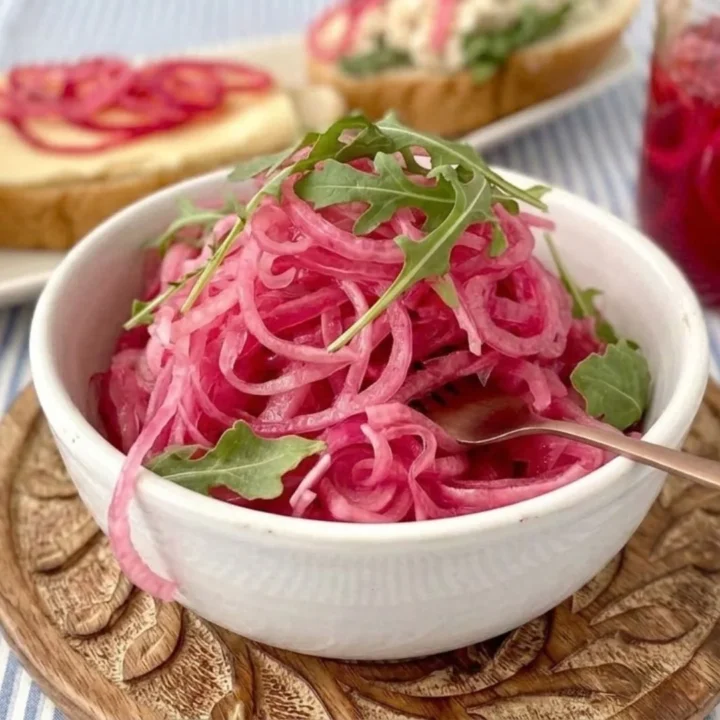
Pickled onions cava style are endlessly versatile, which is exactly why they’ve become a fridge staple for so many home cooks. Pile them onto grain bowls alongside hummus, falafel, or grilled chicken for that signature Mediterranean-inspired crunch.
They’re fantastic on tacos, burgers, and hot dogs, where their acidity cuts through rich, fatty flavors beautifully. Try them stirred into a simple green salad for an instant flavor boost, or layered onto avocado toast for a tangy contrast to the creaminess. They also shine on charcuterie boards, paired with cheese, crackers, and cured meats. For a quick appetizer, spoon them over whipped feta or labneh with a drizzle of olive oil and crusty bread.
Sandwich and wrap lovers will find they add brightness to anything from pulled pork to veggie wraps. Even scrambled eggs or breakfast tacos benefit from a spoonful on top. Once you have a jar in the fridge, you’ll likely find a reason to add them to nearly every meal.
How to Store and Keep It Fresh
Store your cava pickled onions in a sealed, airtight jar in the refrigerator – they’ll stay fresh and crisp for about 1½ months. Always use a clean utensil when scooping them out to avoid introducing bacteria that could shorten their shelf life.
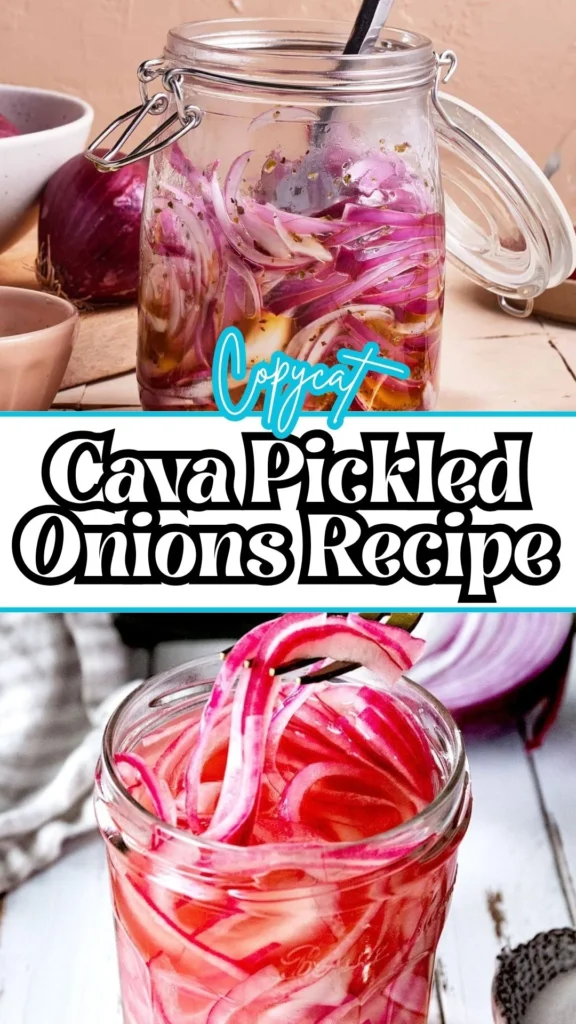
No reheating is needed, as these are meant to be enjoyed cold or at room temperature straight from the jar.
Nutrition Facts and Dietary Notes
A typical serving (about 2 tablespoons) contains roughly 15–20 calories, making this a very low-calorie way to add big flavor to meals. This cava pickled onions recipe is naturally vegan, gluten-free, and dairy-free. For a keto-friendly version, simply omit the sugar or replace it with a keto-approved sweetener like erythritol.
Onions themselves offer antioxidants and prebiotic fiber, while the fermentation-free vinegar brine supports digestion without added fat – making this a guilt-free condiment you can enjoy generously.
FAQs About This Cava Pickled Onions Recipe
Find clear answers to the top questions about Cava Pickled Onions Recipe.
1. How long do cava pickled onions last in the fridge?
They stay fresh for about 1½ months when stored in a sealed jar in the refrigerator.
2. Can I skip the sugar in this recipe?
Yes, sugar is optional. Omitting it will give you a sharper, more acidic pickle rather than a sweet-tangy balance.
3. Why are my pickled onions not turning bright pink?
This usually happens if the onions aren’t thinly sliced enough or aren’t fully submerged in the hot brine – thin slices and full coverage help them color evenly.
4. Can I reuse the brine for a second batch of onions?
It’s best to make a fresh brine each time, as the flavor and acidity weaken after the first batch of onions releases moisture into it.
5. Do I need to use all the optional spices?
No, the spices are flexible – use all of them for the closest copycat flavor, or skip some based on what you have or prefer.
Cava Pickled Onions Recipe
I’ll never forget the first time I tried Cava’s pickled red onions – I was skeptical, if I’m honest. I’ve made hundreds of jars of pickled onions over the years, and I didn’t think a fast-casual chain could surprise me. But one bite in, and I was hooked: that gorgeous magenta color, the gentle warmth from the spices, the perfect push and pull between tangy and sweet. I went home that same week and started testing in my own kitchen until I cracked it.
Ingredients
- 2 medium to large red onions
- 2 cloves garlic, peeled
- 1 cup (250 ml) white vinegar
- 1 cup (250 ml) water
- 1½ teaspoons (6 g) sea salt flakes
- 3½ tablespoons (75 g) white sugar (optional)
- 1 teaspoon (2 g) cumin seeds
- 1 teaspoon (2 g) coriander seeds
- ½ teaspoon (0.5 g) caraway seeds
- ½ teaspoon (1 g) black peppercorns
- 1 star anise
Instructions
- Prepare the Onions
Slice off both ends of the red onions, cut them in half, and peel off the skins. Save the scraps for stock if you like. Slice the onions into thin strips. - Combine Ingredients in the Pan
Place the sliced onions into a medium-to-large heavy-based saucepan. Crush the peeled garlic cloves with the side of a knife and add them to the pan. Add the white vinegar, water, sea salt flakes, white sugar (if using), and any optional spices. - Bring to a Boil
Place the saucepan over high heat on the largest burner. Stir well so the onions are fully submerged in the brine, and bring the mixture to a boil. - Simmer Briefly
Once boiling, reduce the heat to low, give it a quick stir, and simmer for 1 minute to dissolve the salt and sugar and meld the flavors. - Pack into Jars
Turn off the heat and remove the pan from the stove. Transfer the hot onions, garlic, and spices into sterilized or clean jars. Pour the pickling brine over them, making sure everything is fully submerged. - Cool, Seal & Store
Let the jars cool to room temperature, then seal the lids and refrigerate. Let them sit overnight before using – this is when the flavor really develops.
Notes
Store your cava pickled onions in a sealed, airtight jar in the refrigerator – they’ll stay fresh and crisp for about 1½ months. Always use a clean utensil when scooping them out to avoid introducing bacteria that could shorten their shelf life. No reheating is needed, as these are meant to be enjoyed cold or at room temperature straight from the jar.
Nutrition Information:
Yield: 6 Serving Size: 1Amount Per Serving: Calories: 60
And that’s it – your own jar of copycat cava pickled onions recipe, ready to brighten up everything from tacos to grain bowls. Give it a try, and let me know in the comments how yours turned out or what variations you tried. If you loved this recipe, check out more quick pickle and condiment recipes on the blog for your next kitchen project.
We’d love to hear how this recipe turns out for you! Give it a try, then drop a comment below to share your thoughts and tips with us.
You can also follow us on Pinterest, and YouTube for more delicious updates and kitchen inspiration. Your feedback and support mean the world to us!