Hawaiian Bros Huli Huli Chicken Recipe
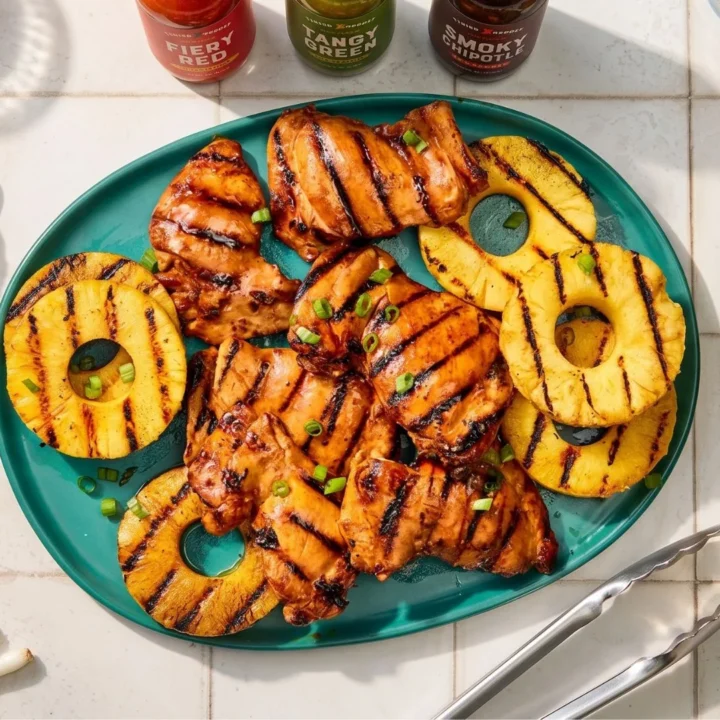
The first time I tasted huli huli chicken, I was standing in line at a food truck, watching smoke curl off the grill and pineapple slices sizzle next to charred chicken thighs.
That sweet-smoky, slightly tangy aroma hit me before the food even did. If you’ve ever had the Hawaiian Bros Kilauea Chicken, the Hawaiian Bros huli huli chicken recipe, and wondered how to recreate that same sticky-glazed, caramelized magic at home, you’re in the right place.
This version leans on real charcoal, a simple pineapple-soy marinade, and a two-zone grill setup to get that same island-style char and flavor. Quick note: give yourself time – the marinade needs hours to work its magic, but the payoff is worth every minute.
What Is This Food and Why Do Fans Love It?
Huli huli chicken is a Hawaiian grilled chicken dish known for its sweet, savory, and slightly smoky flavor profile, built from a marinade of soy sauce, ketchup, pineapple juice, brown sugar, ginger, and garlic.
The word “huli” means “turn” in Hawaiian, referencing how the chicken is flipped repeatedly over an open flame. Compared to teriyaki chicken, huli huli has a deeper caramelized char and a tangier edge thanks to the ketchup and vinegar.
Fans love the Hawaiian Bros huli huli chicken recipe because it strikes a balance most marinades miss – sweet without being cloying, smoky without overpowering the pineapple brightness. It’s the kind of dish that feels indulgent yet approachable, perfect for backyard grilling, plate lunches, or a taste of the islands wherever you are.
The Nostalgic History Behind This Food
Huli huli chicken traces back to 1955, when Hawaiian rancher Ernest Morgado grilled chicken over halved oil drums at a fundraiser, flipping the skewers as crowds shouted “huli!” The dish became a fixture of island fundraisers, church events, and roadside stands, cooked low and slow over charcoal with constant turning for even glazing.
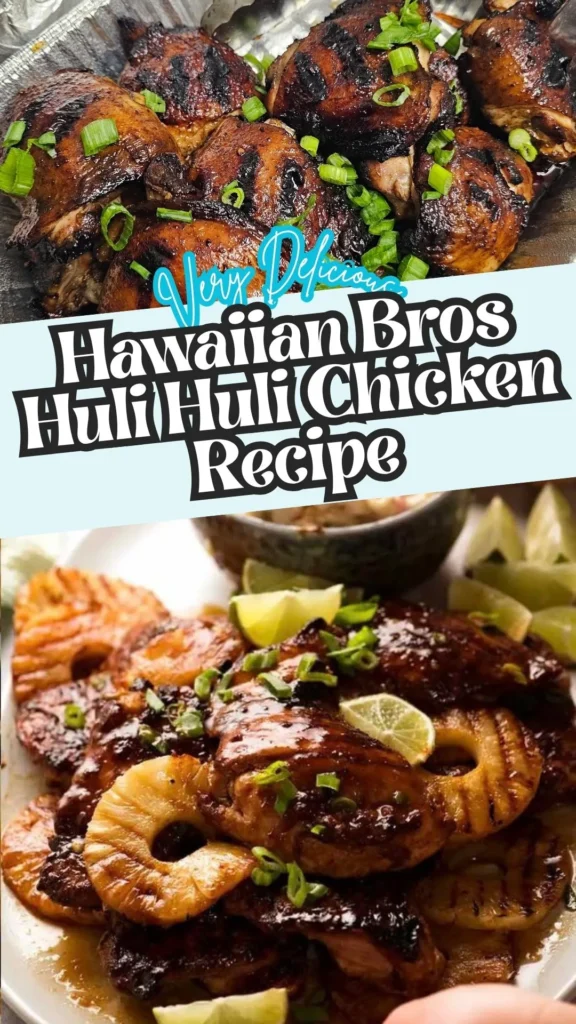
Over decades, it evolved from a community cooking tradition into a beloved plate lunch staple across Hawaii and the mainland. Fast-casual chains built entire menus around it, introducing huli huli chicken to people who’d never set foot on the islands.
What sets the traditional version apart from newer, oven-baked or slow-cooker imitations is the charcoal grilling itself – that live-fire char and smoke simply can’t be replicated indoors, which is exactly why this recipe insists on real coals.
Key Ingredients That Give This Food Its Signature Flavor
Every huli huli chicken recipe hinges on a handful of ingredients working in harmony. Ketchup brings body and a touch of acidity, while pineapple juice contributes natural sweetness and a tenderizing enzyme that softens the chicken as it marinates.
Low-sodium soy sauce adds umami depth and saltiness without overwhelming the other flavors – using low-sodium keeps the balance from tipping too salty once reduced on the grill. Brown sugar rounds things out with molasses-rich sweetness that caramelizes beautifully over charcoal, creating that signature sticky glaze. Fresh ginger and smashed garlic add aromatic warmth and a subtle bite that cuts through the sweetness.
Apple cider vinegar sharpens the whole marinade with acidity, keeping it from tasting flat. Finally, grilled pineapple slices aren’t just a garnish – they echo the marinade’s sweetness while adding smoky char, tying the whole dish together into one cohesive, unmistakably Hawaiian flavor.
Hawaiian Bros Huli Huli Chicken Recipe Ingredients
For the Chicken and Marinade:
- Boneless, skinless chicken thighs – trim excess fat before marinating; thighs stay juicier than breasts and hold up better to grilling
- ½ cup ketchup – adds sweetness, acidity, and a glossy base for the glaze
- ½ cup pineapple juice – use fresh or canned; it tenderizes the chicken and boosts sweetness
- ½ cup low-sodium soy sauce – substitute tamari for a gluten-free version
- ½ cup brown sugar – light or dark both work; dark brown sugar gives a slightly deeper molasses flavor
- Fresh ginger, grated (to taste) – about 1–2 teaspoons is a good starting point if you want a measurement
- Garlic, smashed, about 1 heaping teaspoon (roughly 3–4 cloves)
- 2 tablespoons apple cider vinegar – white vinegar or rice vinegar can substitute in a pinch
- A few pineapple slices – added directly into the marinade bag for extra flavor infusion
And for Grilling:
- Reserved marinade, about ½ cup – set aside before adding raw chicken, used for basting and glazing
- Extra pineapple slices – for grilling alongside the chicken
- Charcoal – for authentic smoky flavor; a Weber kettle grill works great for this
Tools You Need to Make This Recipe at Home
- Weber kettle grill (or any charcoal grill capable of two-zone cooking)
- Charcoal and a chimney starter
- Large zip-top bag or mixing bowl (for marinating)
- Grill tongs
- Instant-read meat thermometer
- Basting brush
- Cutting board and knife
Prep Time: 15 minutes (plus 4–7 hours, or overnight, marinating)
Cook Time: 30–35 minutes
Total Time: Roughly 5–8 hours (mostly hands-off marinating)
Steps to Make This Hawaiian Bros Huli Huli Chicken Recipe
Step 1: Trim excess fat from the chicken thighs, then rinse and pat them dry.
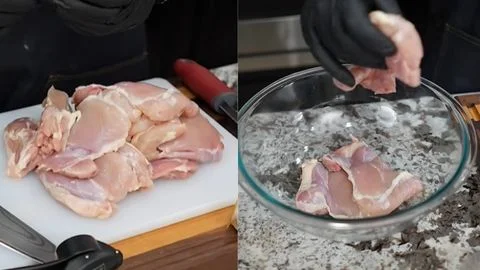
Step 2: In a large zip-top bag or bowl, combine the ketchup, pineapple juice, soy sauce, brown sugar, grated ginger, smashed garlic, and apple cider vinegar.
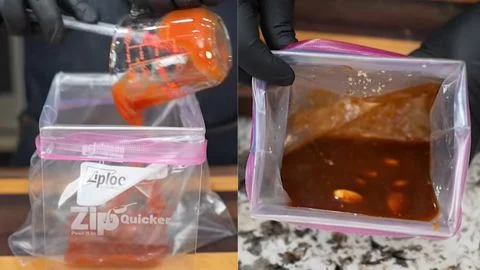
Stir well.
Step 3: Add a couple of pineapple slices directly into the marinade. Remove about ½ cup of the marinade and set it aside in the fridge for later basting.
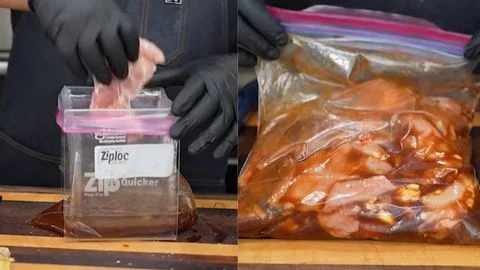
Step 4: Add the chicken thighs into the bag along with a few more pineapple slices. Seal the bag, pressing out excess air, and massage the chicken so every piece is coated.
Step 5: Refrigerate for at least 4–7 hours, or overnight for the deepest flavor.
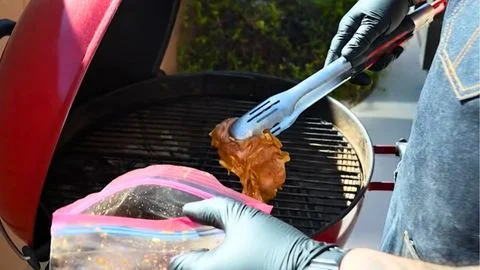
Light your charcoal and arrange it on one side of the Weber kettle for a two-zone (indirect/direct) setup. Aim for a grill temperature around 350°F.
Step 6: Remove the chicken from the marinade and place it on the indirect heat side first. Close the lid and cook for 20–25 minutes. Flip the chicken and move it to the direct heat side to develop char marks, flipping occasionally.
Step 7: Continue cooking until the thickest part of the chicken reaches 165°F internally, checking with a meat thermometer.
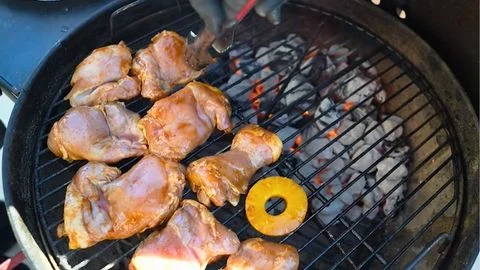
Place the marinated pineapple slices on the direct heat side and grill briefly until charred – they cook fast, so watch closely.
Step 9: In the final few minutes, brush the chicken with the reserved marinade for a sticky, glossy glaze.
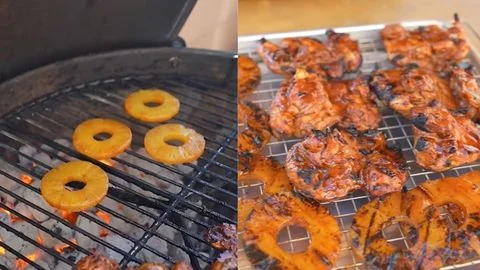
Remove the chicken once it hits a safe internal temperature and let it rest for a few minutes.
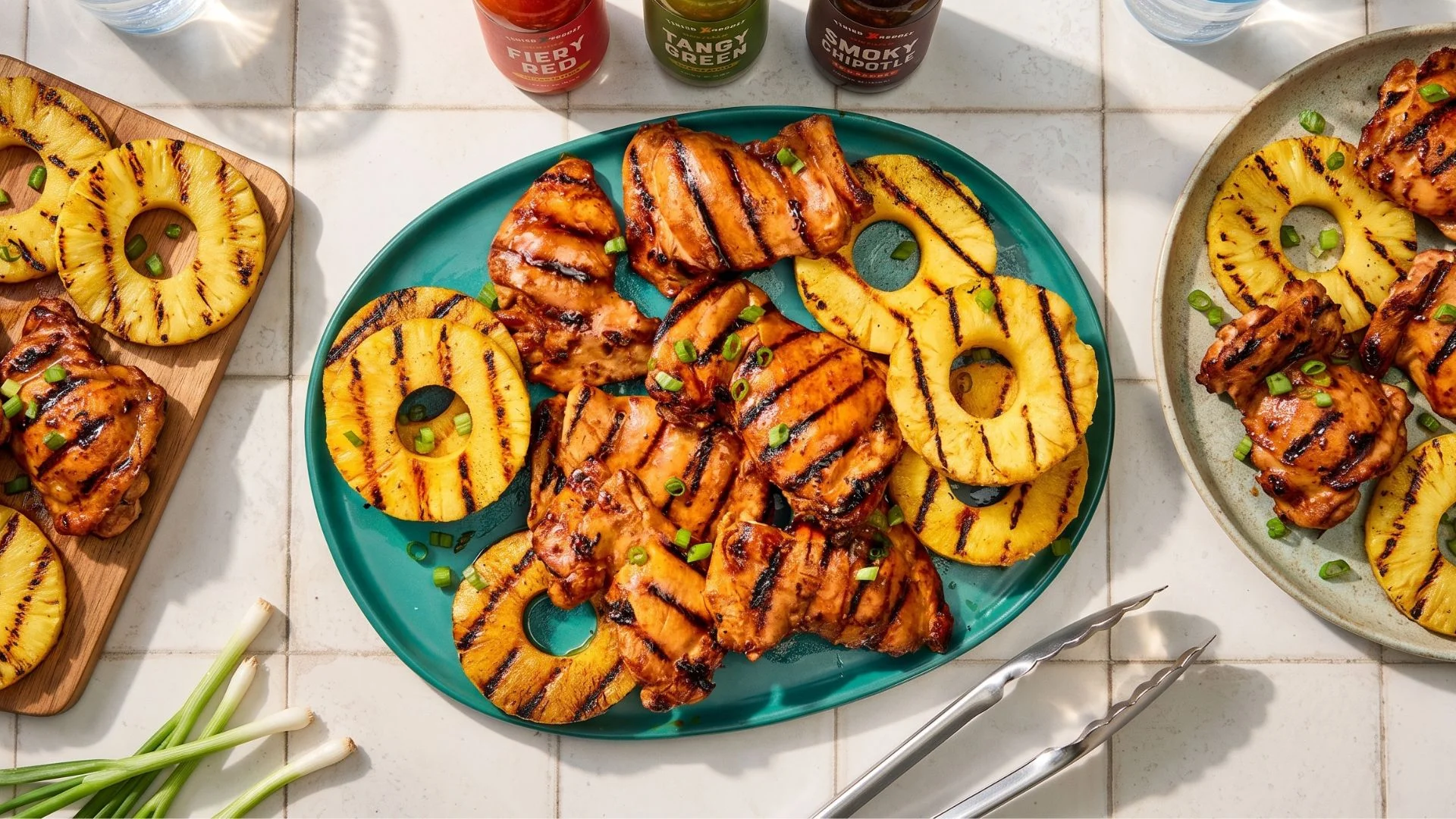
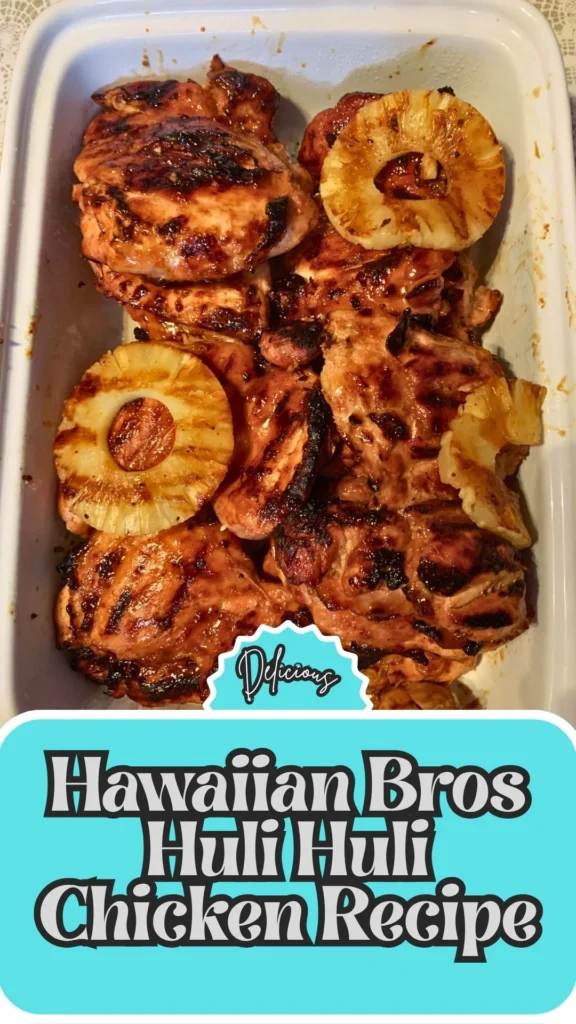
Step 10: Serve alongside the grilled pineapple and enjoy your huli huli chicken.
Pro Tips for Getting the Flavor Just Right
The biggest mistake people make with any huli huli chicken recipe is skipping the two-zone grill setup. Cooking chicken directly over high heat the entire time causes the sugar-heavy marinade to burn before the inside is cooked through.
Starting on indirect heat lets the chicken cook gently, then finishing on direct heat gives you those charred, caramelized edges without scorching. Always reserve a portion of the marinade before it touches raw chicken – using marinade that’s been sitting with raw poultry as a basting sauce risks cross-contamination. Don’t rush the marinating time either; four hours is the minimum, but overnight produces noticeably deeper flavor and more tender meat.
When basting, apply the glaze only in the last few minutes of cooking, since the sugar content will burn if added too early. Keep a thermometer handy rather than guessing doneness by color – thigh meat can look done on the outside while still being underdone near the bone. Finally, let the chicken rest for a few minutes off the grill before serving; this keeps the juices locked in rather than spilling out the moment you cut into it.
Easy Variations to Customize This Food
This huli huli chicken recipe is flexible enough to adapt to whatever you have on hand. Swap chicken thighs for drumsticks or a whole spatchcocked chicken if you prefer different cuts, adjusting cook time accordingly.
For a spicier kick, add a spoonful of sriracha or a pinch of red pepper flakes to the marinade. No charcoal grill? A gas grill or even an oven broiler can work, though you’ll lose some of that signature smokiness. For a gluten-free version, substitute tamari for the soy sauce.
You can also experiment with the sweetener – swapping brown sugar for honey or coconut sugar gives a slightly different, equally delicious caramelized finish.
Best Ways to Serve This Food in Your Meals
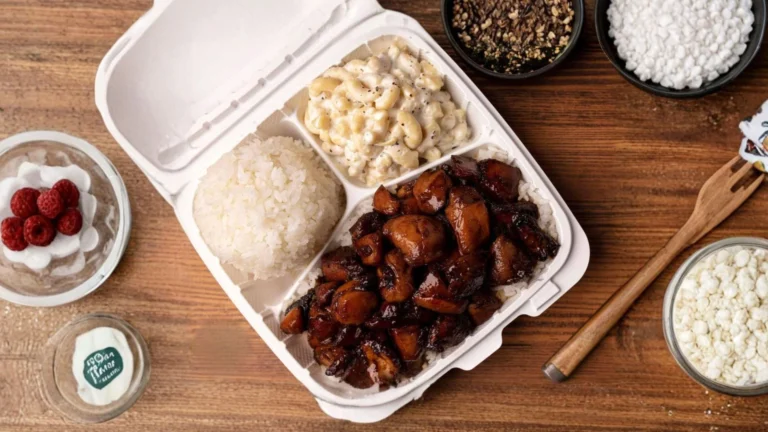
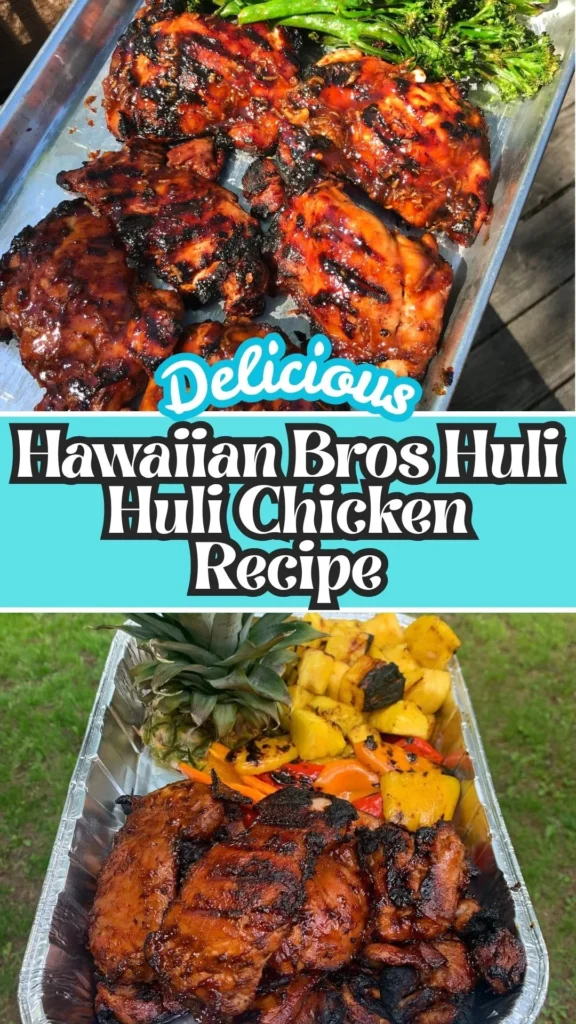
Huli huli chicken shines brightest as the centerpiece of a Hawaiian-style plate lunch. Serve it over a bed of fluffy white rice or fried rice, alongside a scoop of creamy macaroni salad, for a classic plate-lunch experience. The grilled pineapple slices make a natural side, echoing the sweetness in the glaze while adding a fresh, juicy contrast to the smoky chicken.
For a lighter meal, slice the chicken and pile it over a green salad with shredded cabbage, sliced cucumber, and a drizzle of the reserved sauce as dressing. It also works beautifully tucked into a soft bun with a slice of grilled pineapple and a swipe of extra glaze for a huli huli chicken sandwich.
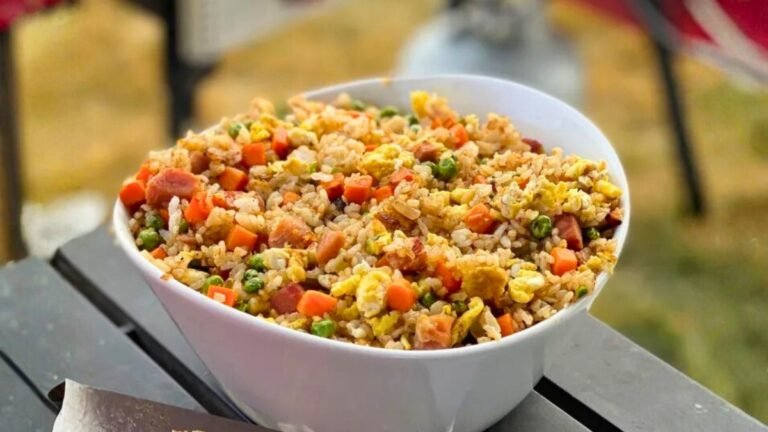
Leftovers make excellent fried rice the next day, chopped up with vegetables and a splash of soy sauce. However you plate it, keep a small bowl of the reserved marinade nearby for drizzling – it ties the whole meal together and reinforces that sweet-smoky flavor in every bite.
How to Store and Keep It Fresh
Store leftover huli huli chicken in an airtight container in the refrigerator for up to 3–4 days. For longer storage, freeze the cooked chicken for up to 3 months, thawing overnight in the fridge before reheating.
To reheat, warm gently in a skillet over medium-low heat with a splash of water or extra marinade to prevent drying out, or use a 300°F oven until heated through. Avoid microwaving on high, as it can toughen the meat.
Nutrition Facts and Dietary Notes
A typical serving of this huli huli chicken recipe runs roughly 300–350 calories, depending on portion size and marinade absorbed, with a good source of protein from the chicken thighs.
For a gluten-free adaptation, use tamari instead of regular soy sauce. To lighten the dish, opt for chicken breast instead of thighs, or reduce the brown sugar slightly.
It’s not naturally keto-friendly due to the sugar content, but a low-carb sweetener substitute can bring it closer. The ginger and garlic also offer modest anti-inflammatory benefits alongside the flavor boost.
FAQs about this Hawaiian Bros Huli Huli Chicken Recipe
Everything you need to know about Hawaiian Bros Huli Huli Chicken Recipe: common questions answered.
1. Can I make huli huli chicken without a charcoal grill?
Yes, a gas grill or oven broiler works, though you’ll miss some of the smoky depth charcoal provides.
2. How long should I marinate the chicken?
At least 4–7 hours, but overnight gives the best, most tender results.
3. What’s the difference between huli huli chicken and teriyaki chicken?
Huli huli has a tangier, ketchup-based marinade and is traditionally charcoal-grilled with heavy flipping, while teriyaki relies more on a soy-mirin glaze.
4. Can I use chicken breasts instead of thighs?
Yes, though thighs stay juicier; if using breasts, watch the internal temperature closely to avoid drying them out.
5. Is the reserved marinade safe to use as a sauce?
Yes, as long as it was set aside before the raw chicken touched it – never reuse marinade that’s had raw chicken sitting in it.
Hawaiian Bros Huli Huli Chicken Recipe
The first time I tasted huli huli chicken, I was standing in line at a food truck, watching smoke curl off the grill and pineapple slices sizzle next to charred chicken thighs. That sweet-smoky, slightly tangy aroma hit me before the food even did. If you’ve ever had the Hawaiian Bros huli huli chicken recipe and wondered how to recreate that same sticky-glazed, caramelized magic at home, you’re in the right place.
Ingredients
- Boneless, skinless chicken thighs
- ½ cup ketchup
- ½ cup pineapple juice
- ½ cup low-sodium soy sauce
- ½ cup brown sugar
- Fresh ginger, grated
- Garlic, smashed, about 1 heaping teaspoon
- 2 tablespoons apple cider vinegar
- A few pineapple slices
- Reserved marinade, about ½ cup
- Extra pineapple slices
- Charcoal – for authentic smoky flavor
Instructions
- Trim excess fat from the chicken thighs, then rinse and pat them dry.
- In a large zip-top bag or bowl, combine the ketchup, pineapple juice, soy sauce, brown sugar, grated ginger, smashed garlic, and apple cider vinegar. Stir well.
- Add a couple of pineapple slices directly into the marinade. Remove about ½ cup of the marinade and set it aside in the fridge for later basting.
- Add the chicken thighs into the bag along with a few more pineapple slices. Seal the bag, pressing out excess air, and massage the chicken so every piece is coated.
- Refrigerate for at least 4–7 hours, or overnight for the deepest flavor.
- Light your charcoal and arrange it on one side of the Weber kettle for a two-zone (indirect/direct) setup. Aim for a grill temperature around 350°F.
- Remove the chicken from the marinade and place it on the indirect heat side first. Close the lid and cook for 20–25 minutes. Flip the chicken and move it to the direct heat side to develop char marks, flipping occasionally.
- Continue cooking until the thickest part of the chicken reaches 165°F internally, checking with a meat thermometer.
- Place the marinated pineapple slices on the direct heat side and grill briefly until charred – they cook fast, so watch closely.
- In the final few minutes, brush the chicken with the reserved marinade for a sticky, glossy glaze. Remove the chicken once it hits a safe internal temperature and let it rest for a few minutes.
- Serve alongside the grilled pineapple and enjoy your huli huli chicken.
Notes
Store leftover huli huli chicken in an airtight container in the refrigerator for up to 3–4 days. For longer storage, freeze the cooked chicken for up to 3 months, thawing overnight in the fridge before reheating.To reheat, warm gently in a skillet over medium-low heat with a splash of water or extra marinade to prevent drying out, or use a 300°F oven until heated through. Avoid microwaving on high, as it can toughen the meat.
Nutrition Information:
Yield: 8 Serving Size: 1Amount Per Serving: Calories: 250
And there you have it – a smoky, sticky-sweet huli huli chicken recipe that brings a little bit of Hawaii to your backyard grill. Whether you’re serving it plate-lunch style with rice and mac salad or piling it onto a sandwich, this one’s worth the marinating wait.
Give it a try this weekend, and let me know in the comments how yours turned out. Looking for more grilling inspiration? Check out the related recipes below for more island-style flavors.
We’d love to hear how this recipe turns out for you! Give it a try, then drop a comment below to share your thoughts and tips with us.
You can also follow us on Pinterest, and YouTube for more delicious updates and kitchen inspiration. Your feedback and support mean the world to us!