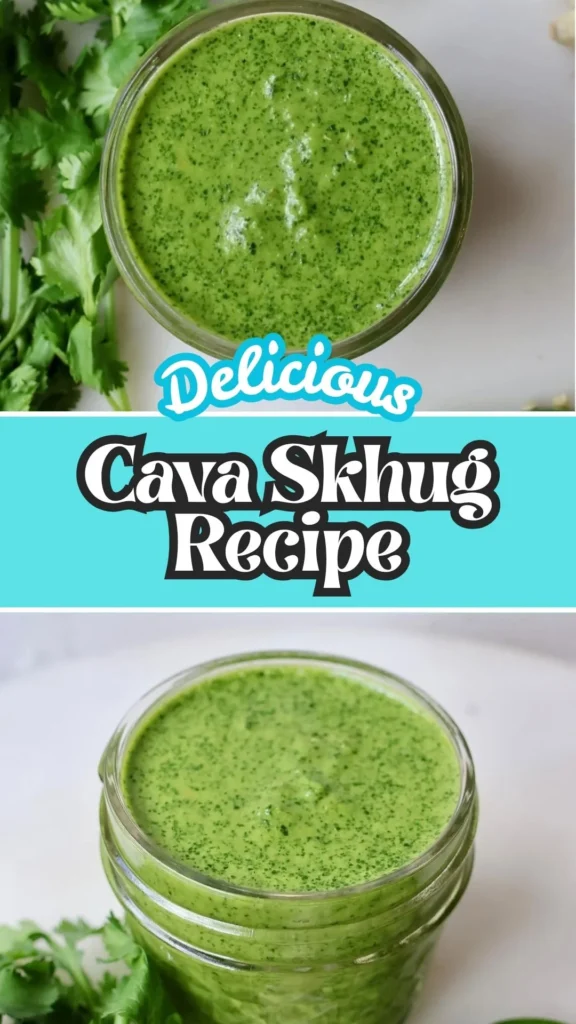
Cava Skhug Recipe
As a chef, I’ve chased down my fair share of restaurant flavors, but few obsessed me like Cava’s skhug. The moment it hits your tongue – green chili heat, bright cilantro, a citrus snap at the finish – you understand why it’s the first thing regulars reach for.
After testing it in my own kitchen dozens of times, tweaking ratios, and swapping in confit garlic for depth, I finally landed on a cava skhug recipe that nails the same balance: bold, herbaceous, and layered with warm spice from Hawaij.
This flavorful sauce pairs beautifully with Bbq chicken, making it a delicious addition to a chicken salad sandwich or a spicy shrimp pizza when you want an extra kick of fresh herbs and heat. One technique note before you start: resist the urge to blend it smooth. The texture is half the magic.
What Is Cava Skhug and Why Do Fans Love It?
Skhug (also spelled zhug or schug) is a vibrant, herb-forward hot sauce rooted in Yemeni and Israeli cuisine, and it’s one of the most requested toppings on the Cava line.
Fans love it because it’s not just heat for heat’s sake – it’s layered. Fresh green chilies bring the fire, cilantro brings grassy brightness, lime adds tang, and warm spices round it all out with depth you don’t get from typical hot sauces like sriracha or harissa.
Compared to a classic salsa verde, skhug is spicier and more aromatic; compared to chimichurri, it’s hotter and less oil-heavy. That balance of heat, herb, and citrus is exactly why this cava skhug sauce recipe has such a cult following.
The Nostalgic History Behind This Skhug Sauce Recipe
Skhug has been a staple condiment in Yemeni Jewish households for generations, traditionally served alongside soups, stews, and flatbreads to add brightness and heat.
When Mediterranean fast-casual chains like Cava began popularizing Middle Eastern flavors in the U.S., skhug found a new audience as a bold bowl topping. Over time, some locations have rotated or simplified their sauce lineups, leaving longtime fans searching for ways to recreate the original at home.
This copycat cava skhug stays true to that nostalgic, herb-heavy profile rather than the milder, oil-based “green goddess” style sauces that have popped up more recently – it’s rawer, spicier, and distinctly rooted in tradition.
Key Ingredients That Give This Copycat Cava Skhug Its Signature Flavor
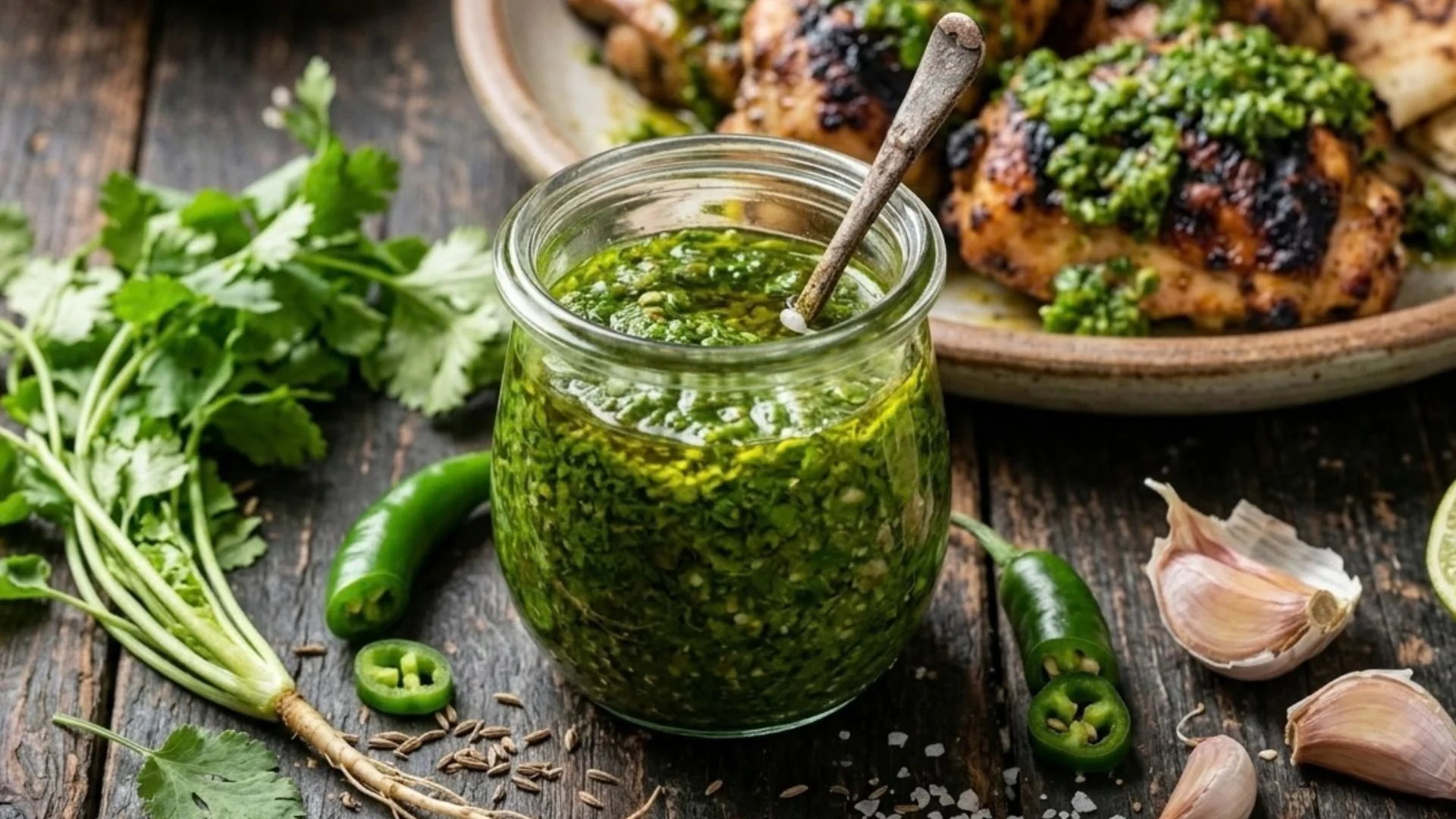
A handful of ingredients do all the heavy lifting here. Green chilies are the backbone – keep the seeds in for serious heat, or remove them for a milder, more approachable sauce. Fresh coriander (cilantro), stems included, gives that unmistakable grassy, herbal punch; the stems actually carry a lot of flavor, so don’t toss them.
Lime juice cuts through the richness and adds the bright acidity that makes this sauce so craveable. Hawaij spice mix is the secret weapon – a warm, earthy Yemeni blend that gives the sauce its golden undertone and signature depth; toasted, crushed cumin seeds work in a pinch if you can’t find it.
Finally, confit garlic cloves add a mellow, slightly sweet garlicky richness that raw garlic can’t quite replicate, while a mix of garlic oil and olive oil brings everything together into that chunky, salsa-verde texture fans know and love.
Cava Skhug Dressing Ingredients You’ll Need
- Green chilies (a couple) – The heat source. Keep seeds in for spicier skhug, remove for a milder version.
- Fresh coriander (cilantro), stems and all – Stems add flavor and body; don’t discard them.
- Juice of 2 limes – Roll the limes firmly on the counter first to get more juice out. Lemon works as a substitute if you prefer a slightly different tang.
- Hawaij spice mix (about 1 teaspoon) – Also known as Hawaij Edge; gives the sauce its warm, golden character. Substitute with about 1 teaspoon toasted and crushed cumin seeds if unavailable.
- 3 confit garlic cloves – Softer, sweeter flavor than raw garlic. Raw garlic cloves can be used if confit isn’t on hand, though the flavor will be sharper.
- Olive oil (plus garlic oil from the confit) – Use enough to reach a loose, salsa-verde consistency – this isn’t meant to be a thick paste.
- Salt, to taste – Don’t be shy; a generous pinch ties all the flavors together.
Tools You Need to Make This Copycat Cava Skhug at Home
- Food processor or mini chopper
- Cutting board and sharp knife
- Citrus juicer (or just your hands)
- Measuring spoons
- Spatula
- Small glass jar with a lid, for storage
Prep time: 5 minutes
Cook time: 5 minutes
Total time: 10 minutes
Steps to Make This Cava Skhug Recipe
1. Chop & Pulse the Base
Roughly chop the green chilies (remove seeds for a milder sauce) and fresh coriander, including the stems.
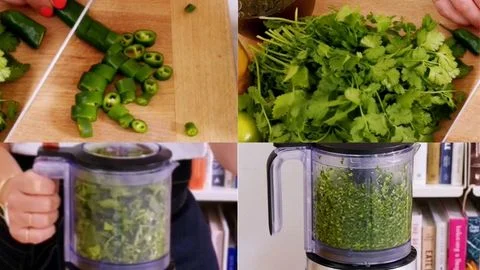
Add to a food processor or mini chopper and pulse briefly, keeping some texture.
2. Add Seasonings & Oils
Add the Hawaij spice mix, lime juice, confit garlic cloves, and a generous pinch of salt.
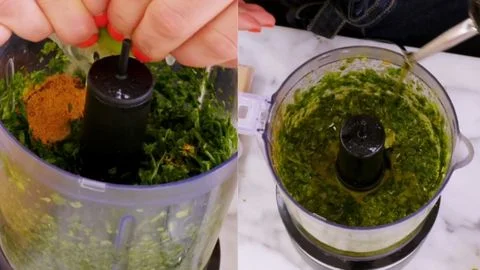
Pour in the garlic oil and regular olive oil, then pulse until you achieve a chunky salsa-verde consistency, adding more oil as needed.
3. Taste, Adjust & Store
Taste and adjust with extra salt or lime juice as needed.
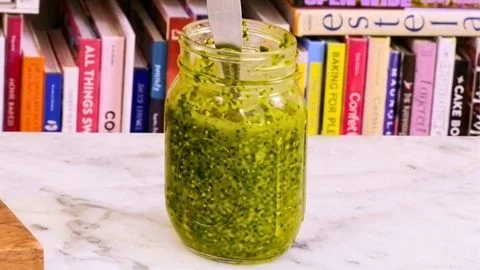
Transfer the skhug to a glass jar and refrigerate.
Pro Tips for Getting Your Skhug Sauce Cava Flavor Just Right
The biggest mistake people make with skhug is over-processing it into a smooth, pesto-like paste. Pulse in short bursts and stop while there’s still visible texture from the chilies and herbs – that chunkiness is part of what makes it feel authentic and fresh rather than like a bottled sauce.
Another common slip-up is skipping the confit garlic step; raw garlic works in a pinch, but it brings a sharper, more aggressive bite that can overpower the other flavors, so if you have time, confit a few cloves in advance. Rolling your limes firmly on the counter before juicing releases significantly more juice, which matters since the acidity is what balances the heat.
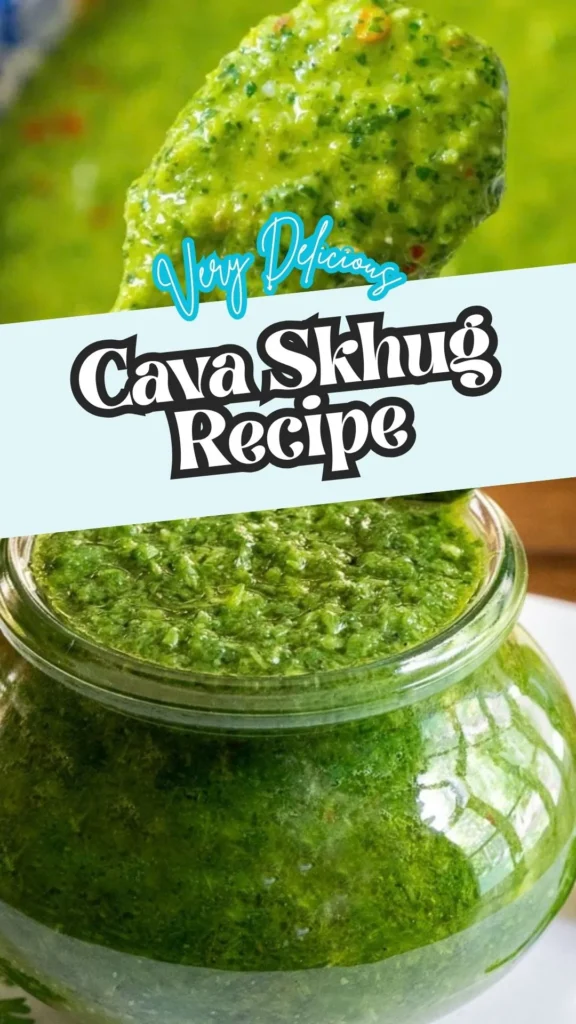
Don’t add all your oil at once, either – stream it in gradually while pulsing so you can control the final texture and stop exactly at salsa-verde consistency. Finally, taste as you go. Chilies vary wildly in heat and bitterness, so the amount of salt and lime you’ll need can shift batch to batch. A well-balanced skhug should hit you with heat first, then herb, then a bright citrus finish – if any one note is missing, adjust before you jar it up.
Easy Variations to Customize Your Cava Skhug Recipe
Want it milder? Remove all the seeds and ribs from the chilies, or swap in a milder pepper like jalapeño instead of a hotter variety. For a smokier version, char the chilies briefly before blending. If cilantro isn’t your thing, parsley makes a solid substitute, though the flavor will be noticeably less traditional.
You can also swap lime for lemon for a slightly different citrus note, or add a small handful of fresh dill for an herbier, more complex finish. For a richer, creamier dressing-style skhug, blend in a spoonful of Greek yogurt or tahini at the end.
Best Ways to Use Cava Skhug in Your Meals
This sauce is incredibly versatile once you have a jar in the fridge. The obvious move is piling it onto a Mediterranean grain bowl with rice, greens, grilled chicken, or falafel, just like at Cava. It also works beautifully as a marinade – toss it with chicken, shrimp, or tofu and let it sit for 20 minutes before grilling for a huge flavor boost.
Spread a thin layer on sandwiches or wraps in place of mayo for an instant upgrade, or swirl it into hummus or labneh for a quick, flavor-packed dip. Drizzle it over roasted vegetables, eggs, or avocado toast for a spicy breakfast twist.
It’s also fantastic stirred into soups right before serving, especially lentil or chickpea-based ones, where it adds brightness that cuts through the richness. If you’re meal-prepping, keep a jar on hand to instantly transform plain rice, roasted potatoes, or grilled meats into something far more exciting – a spoonful goes a long way.
How to Store and Keep Your Copycat Cava Skhug Fresh
Transfer your skhug to a clean glass jar with a tight-fitting lid and store it in the refrigerator, where it will keep well for up to two weeks. The oil may solidify slightly when chilled – just let it sit at room temperature for a few minutes before using, or give it a quick stir.
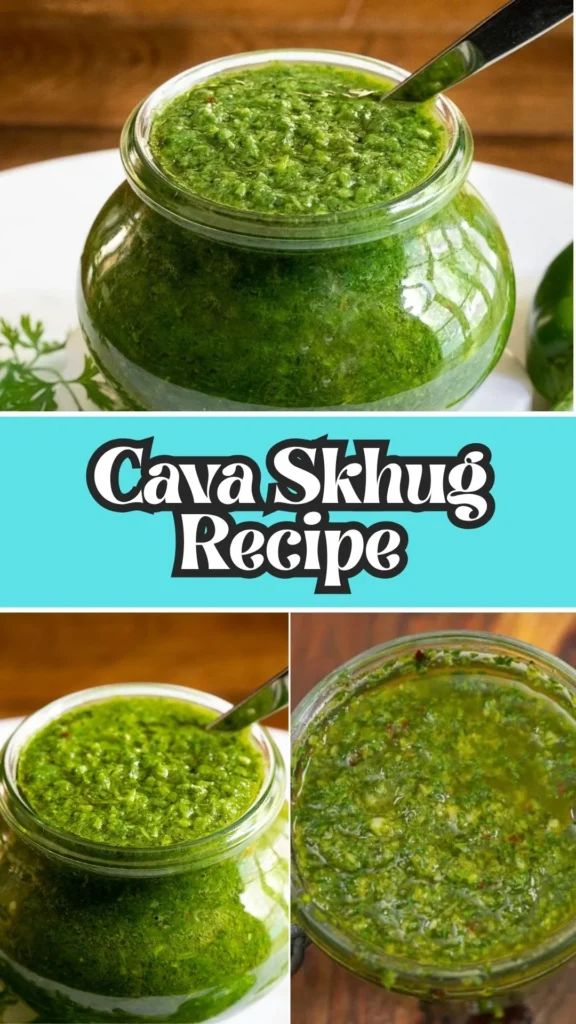
This sauce is served cold or at room temperature, so no reheating is needed. Freezing in small portions (like an ice cube tray) also works if you want it to last longer.
Nutrition Facts and Dietary Notes for Cava Skhug
A typical tablespoon of skhug runs roughly 35–45 calories, mostly from the olive oil, with minimal carbs and no added sugar. It’s naturally vegan, gluten-free, and keto-friendly as written.
Cilantro and chilies offer a dose of vitamin C and antioxidants, while capsaicin from the chilies may give a mild metabolism boost. For a lower-fat version, simply reduce the oil slightly and add a splash of water to maintain the consistency.
FAQs About How to Make Schug (Zhug) at Home
Everything you need to know about Cava Skhug Recipe: common questions answered.
Is skhug the same as zhug?
Yes – skhug, zhug, and schug all refer to the same Yemeni-style herb and chili sauce; the spelling just varies.
How spicy is this cava skhug recipe?
It’s moderately spicy by default, but fully adjustable – remove the chili seeds for a milder version or leave them in for more heat.
Can I make this without Hawaij spice mix?
Yes, toasted and crushed cumin seeds make a solid substitute, though Hawaij adds a more complex, warm flavor.
Is raw garlic okay instead of confit garlic?
Yes, though confit garlic gives a softer, sweeter result – raw garlic will taste sharper and more pungent.
How long does homemade skhug last?
Stored in a sealed jar in the fridge, it stays fresh for up to two weeks.
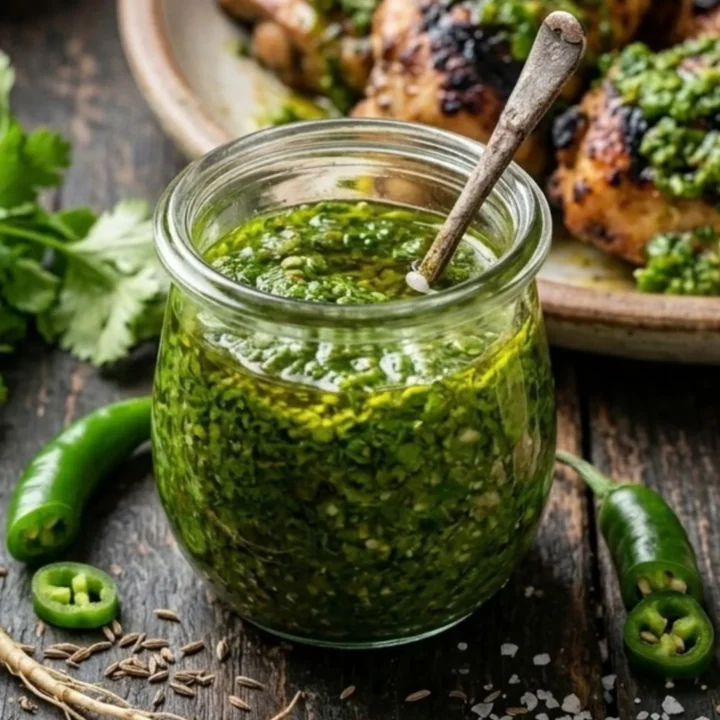
Cava Skhug Recipe
As a chef, I’ve chased down my fair share of restaurant flavors, but few obsessed me like Cava’s skhug. The moment it hits your tongue – green chili heat, bright cilantro, a citrus snap at the finish – you understand why it’s the first thing regulars reach for. After testing it in my own kitchen dozens of times, tweaking ratios and swapping in confit garlic for depth, I finally landed on a cava skhug recipe that nails that same balance: bold, herbaceous, and layered with warm spice from Hawaij.
Ingredients
- Green chilies (a couple)
- Fresh coriander (cilantro), stems and all
- Juice of 2 limes
- Hawaij spice mix (about 1 teaspoon)
- 3 confit garlic cloves
- Olive oil (plus garlic oil from the confit) consistency
- Salt, to taste
Instructions
- Chop & Pulse the Base
Roughly chop the green chilies (remove seeds for a milder sauce) and fresh coriander, including the stems. Add to a food processor or mini chopper and pulse briefly, keeping some texture. - Add Seasonings & Oils
Add the Hawaij spice mix, lime juice, confit garlic cloves, and a generous pinch of salt. Pour in the garlic oil and regular olive oil, then pulse until you achieve a chunky salsa-verde consistency, adding more oil as needed. - Taste, Adjust & Store
Taste and adjust with extra salt or lime juice as needed. Transfer the skhug to a glass jar and refrigerate.
Notes
Transfer your skhug to a clean glass jar with a tight-fitting lid and store it in the refrigerator, where it will keep well for up to two weeks. The oil may solidify slightly when chilled – just let it sit at room temperature for a few minutes before using, or give it a quick stir. This sauce is served cold or at room temperature, so no reheating is needed. Freezing in small portions (like an ice cube tray) also works if you want it to last longer.
Nutrition Information:
Yield: 8 Serving Size: 1Amount Per Serving: Calories: 50
And that’s it – your own jar of homemade cava skhug, ready to bring bold, herby heat to just about anything you’re cooking. It’s quick, endlessly customizable, and honestly better fresh than most store-bought versions.
Give it a try and let me know how yours turned out in the comments below! Looking for more copycat recipes or Mediterranean-inspired sauces? Browse the blog for more ideas to keep your kitchen exciting.
We’d love to hear how this recipe turns out for you! Give it a try, then drop a comment below to share your thoughts and tips with us.
You can also follow us on Pinterest, and YouTube for more delicious updates and kitchen inspiration. Your feedback and support mean the world to us!