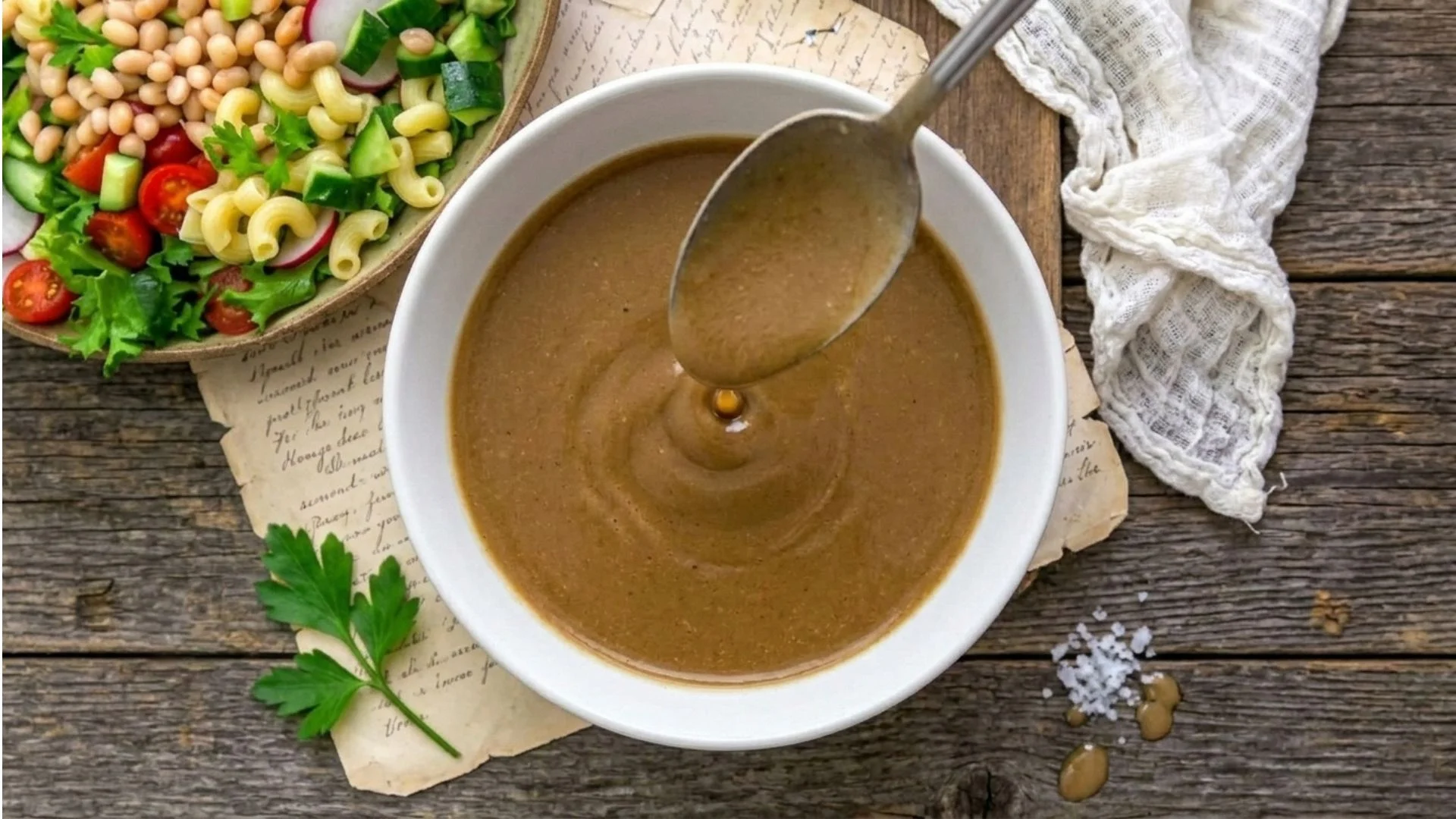
Newk’s Sherry Vinaigrette Recipe
The first time I tasted Newk’s sherry vinaigrette, I nearly asked the server what was in it right at the table.
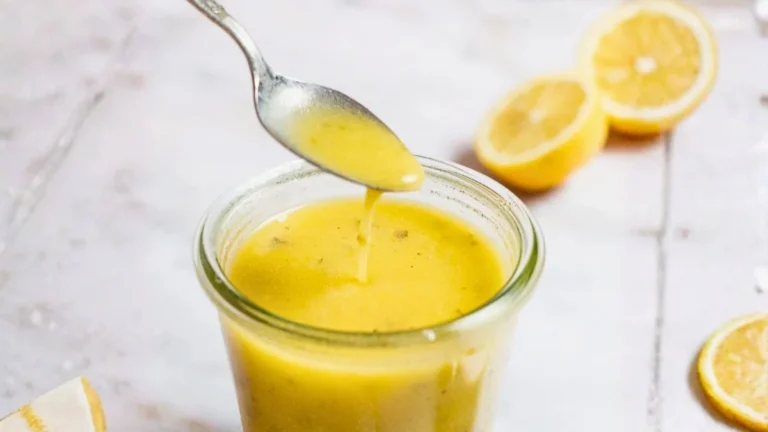
It had that tangy, slightly sweet bite that clings perfectly to crisp greens, but there was something else going on underneath – an herby, savory depth I couldn’t quite place.Turns out the secret is deceptively simple: sherry vinegar, Dijon mustard, shallot, and fresh thyme, whisked into a silky emulsion.
This Newk’s sherry vinaigrette recipe recreates that exact balance at home, and once you taste how easy it comes together, store-bought dressing won’t cut it anymore. Let’s break down why this vinaigrette earned its cult following.
For a complete Newk’s-inspired meal, serve it alongside newk’s black eyed pea salad or newks black and blue salad for a fresh, flavorful pairing that complements the tangy vinaigrette beautifully.
What Is Newk’s Sherry Vinaigrette and Why Do Fans Love It?
Newk’s sherry vinaigrette is a bright, tangy salad dressing built on sherry vinegar instead of the usual red wine or balsamic base. That single swap changes everything – sherry vinegar brings a nutty, slightly caramelized sharpness that’s more nuanced than typical vinaigrettes.
Combined with Dijon mustard for body, minced shallot for gentle bite, and fresh thyme for an herbal lift, it lands somewhere between a classic French vinaigrette and something more restaurant-refined. Fans love it because it’s versatile without being boring. It’s sharp enough to cut through rich, fried components like wontons, yet delicate enough not to drown fresh greens.
Compared to heavier dressings like ranch or balsamic glaze, this one feels lighter and more sophisticated, which is exactly why so many home cooks go searching for the recipe after one restaurant visit.
The Nostalgic History Behind This Food
Sherry vinaigrette isn’t a modern invention – it’s rooted in classic French bistro cooking, where sherry vinegar has long been prized for its complexity compared to simpler vinegars.
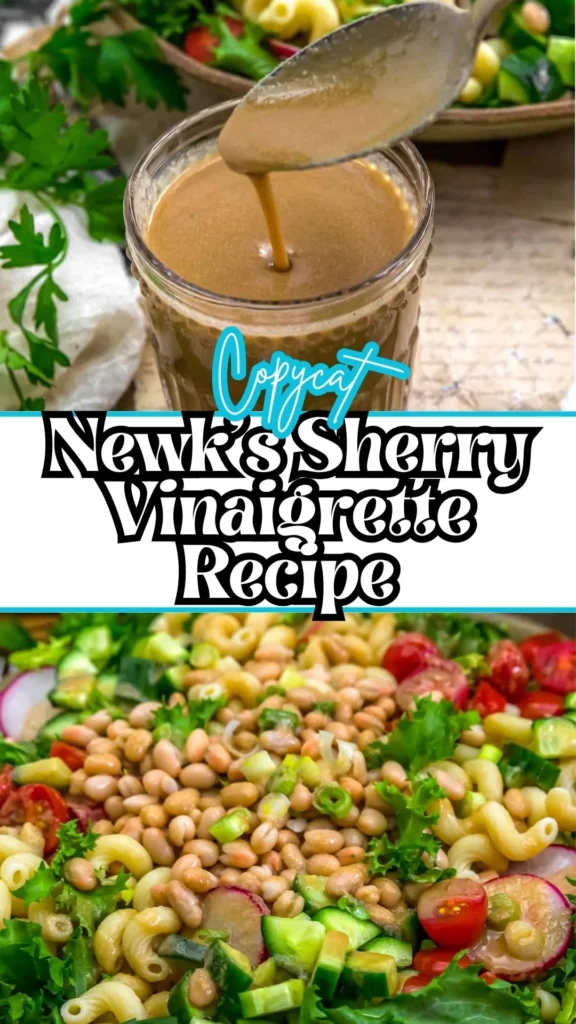
Restaurants like Newk’s Eatery adapted that old-world staple into a rotating house dressing, swapping it seasonally for variations like sherry-lime or roasted pear vinaigrette while keeping sherry vinegar as the constant base. What makes the original recipe nostalgic for regulars is its consistency: no matter the seasonal twist, the foundational sherry-mustard-shallot combination stays familiar.
It’s distinct from newer, trendier vinaigrettes that lean on Asian-inspired flavors like sesame or rice vinegar – this one deliberately stays in classic territory, even when paired with dishes, like fried wontons, that you’d expect to carry those flavors instead.
Key Ingredients That Give This Food Signature Flavor
The magic of this Newk’s sherry vinaigrette recipe comes down to a handful of ingredients doing very deliberate work. Sherry vinegar is non-negotiable – its slightly sweet, nutty acidity is what separates this dressing from a basic vinaigrette, and there’s no real substitute that replicates it exactly.
Smooth Dijon mustard acts as both a flavor booster and an emulsifier, helping bind the oil and vinegar into a stable, creamy texture rather than a separated dressing. Minced shallot adds a mellow, slightly sweet sharpness that’s gentler than raw onion. Fresh thyme leaves are used sparingly but intentionally – just enough to add an herbal note without overpowering the other flavors.
Finally, a neutral oil like grapeseed, safflower, or sunflower rounds everything out, letting the sherry vinegar and mustard shine instead of competing with a heavy, flavored oil. Together, these five ingredients create a dressing that feels layered despite its short ingredient list.
Newk’s Sherry Vinaigrette Recipe Ingredients
- Sherry vinegar – 1/2 cup: The flavor backbone of the whole recipe. Look for Spanish sherry vinegar for the most authentic taste; red wine vinegar can work in a pinch but won’t taste the same.
- Neutral oil – 1 cup: Grapeseed, safflower, or sunflower oil are best. Avoid canola, which can taste slightly bitter and dull the other flavors.
- Smooth Dijon mustard – 1 tablespoon: Helps emulsify the dressing and adds a subtle tang. Whole grain mustard can be substituted for a more textured dressing.
- Shallot – 1 small, minced: Adds mild sweetness and bite. A small piece of red onion can substitute if shallots aren’t available.
- Fresh thyme leaves – 1 teaspoon: Use whole leaves, stripped from the stem. Dried thyme can work at half the quantity, though fresh is strongly preferred.
- Salt and freshly cracked black pepper – to taste: Essential for balancing the acidity and rounding out the flavor.
Tools You Need to Make This Recipe at Home
- Blender or immersion blender (for the longest-lasting emulsion)
- Whisk (if making by hand)
- Mixing bowl
- Measuring cups and spoons
- Small knife and cutting board (for mincing shallot)
- Airtight jar or container for storage
Prep time: 10 minutes
Cook time: None (no cooking required)
Total time: 10 minutes
Steps to Make This Newk’s Sherry Vinaigrette Recipe
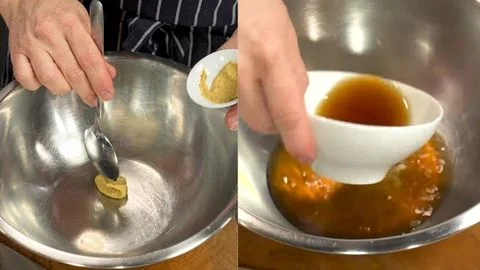
1. Start the Acid Base: Add the sherry vinegar and Dijon mustard to your blender or mixing bowl.
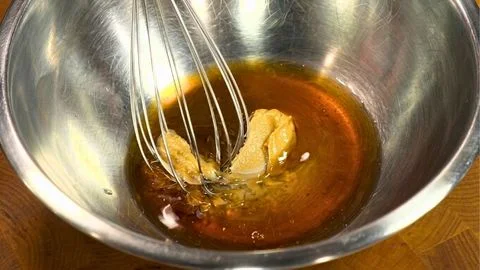
2. Add Aromatics & Seasonings: Mix in the minced shallot, fresh thyme leaves, salt, and pepper.
3. Begin Emulsifying the Oil: With the blender running on low (or while whisking continuously by hand),
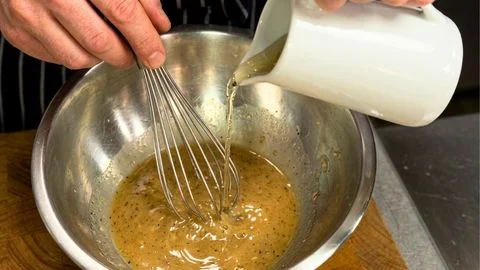
slowly stream in the neutral oil.
4. Finish the Emulsion & Check Ratio: Continue adding oil gradually until fully incorporated and the vinaigrette looks smooth and slightly thickened – about a 2:1 ratio of oil to vinegar.
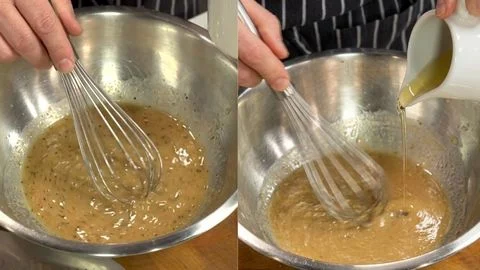
5. Taste & Adjust Seasoning: Taste and adjust salt, pepper, or vinegar as needed.
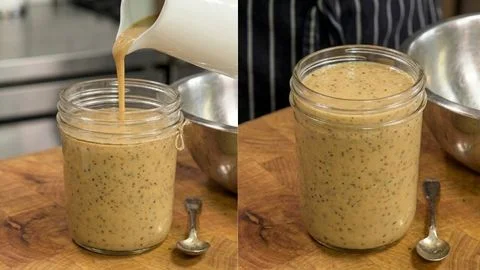
6. Store or Use Immediately: Transfer to an airtight container and use immediately, or refrigerate to let the flavors develop further.
Pro Tips for Getting the Flavor Just Right
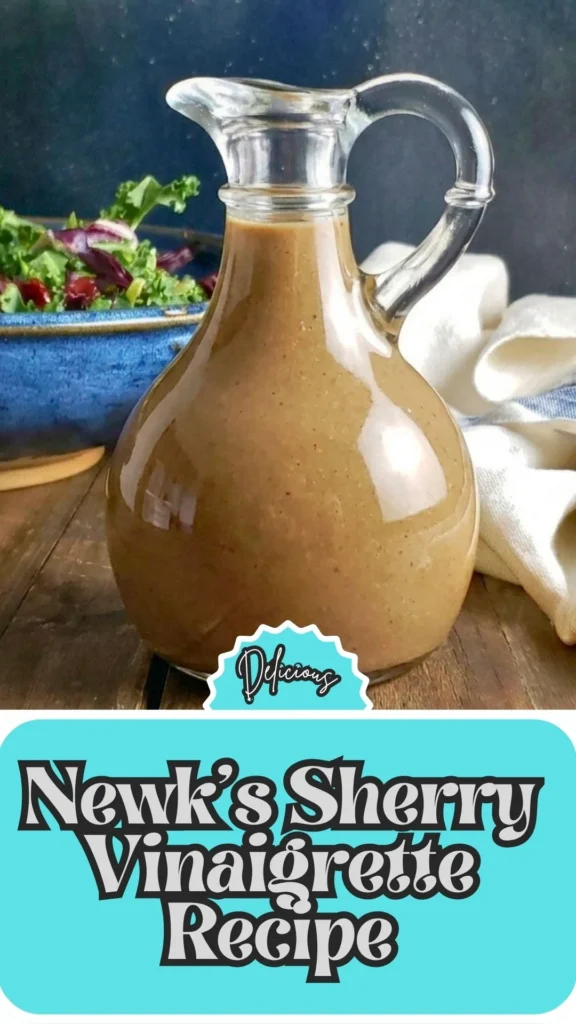
The single biggest tip for this Newk’s sherry vinaigrette recipe: use a blender, not just a whisk, if you want the emulsion to hold. Blending incorporates the oil more thoroughly, which means the dressing stays creamy and unified for hours instead of separating quickly like a hand-whisked version often does.
Add the oil slowly. Dumping it in all at once is the most common mistake home cooks make, and it almost always results in a broken, oily-looking vinaigrette instead of a smooth one. A slow, steady stream gives the mustard time to properly emulsify everything together.
Don’t skip the resting time if you can help it. While the vinaigrette is perfectly usable right away, making it a few hours – or even a full day – ahead lets the shallot mellow and the thyme fully infuse the oil, resulting in a noticeably deeper flavor. Many restaurant kitchens actually plan for this, making batches in advance rather than to order.
Finally, go easy on the thyme. It’s tempting to add more for a stronger herbal punch, but this vinaigrette is meant to stay balanced and classic rather than herb-forward. A light hand keeps it tasting refined instead of overwhelming the sherry vinegar’s natural complexity.
Easy Variations to Customize This Food
One of the best things about this base recipe is how easily it adapts. Swap the sherry vinegar for a splash of fresh lime juice alongside it for a brighter, citrus-forward sherry-lime vinaigrette.
For something sweeter and more autumnal, blend in a small roasted pear before adding the oil – it creates a rounder, fruit-forward dressing that pairs beautifully with heartier salads. Prefer more texture? Use whole grain mustard instead of smooth Dijon for little bursts of tangy mustard seeds throughout.
You can also experiment with herbs, swapping thyme for rosemary or chives depending on what you’re serving alongside it. The base 2:1 oil-to-vinegar ratio stays constant no matter which direction you take it.
Best Ways to Use This in Your Meals
This vinaigrette is most famous as a salad dressing, but its versatility goes well beyond a simple green salad. Toss it with mixed greens, sliced pear, candied nuts, and crumbled cheese for a dressed-up starter salad that mirrors a restaurant-quality dish. It also works beautifully drizzled over roasted vegetables like asparagus or Brussels sprouts, where the acidity cuts through the caramelized edges.
True to its restaurant roots, this dressing pairs surprisingly well with fried foods – think crispy fried wontons, fritters, or even fried chicken tenders. The bright acidity balances the richness without needing an Asian-flavored dipping sauce, which is part of what makes the pairing feel unexpected but genuinely delicious.
Use it as a marinade base for chicken or shrimp before grilling, letting the mustard and vinegar tenderize while the shallot and thyme infuse flavor. It also makes a great finishing drizzle over grain bowls, adding brightness to something like a quinoa or farro bowl loaded with roasted vegetables. Even a simple tomato and cucumber salad benefits from a light toss in this dressing, turning a basic side dish into something far more memorable.
How to Store and Keep It Fresh
Store the vinaigrette in an airtight jar or container in the refrigerator for up to 5–7 days. Since it’s blended, the emulsion holds fairly well, but expect some natural separation over time – simply shake or whisk it briefly before using.
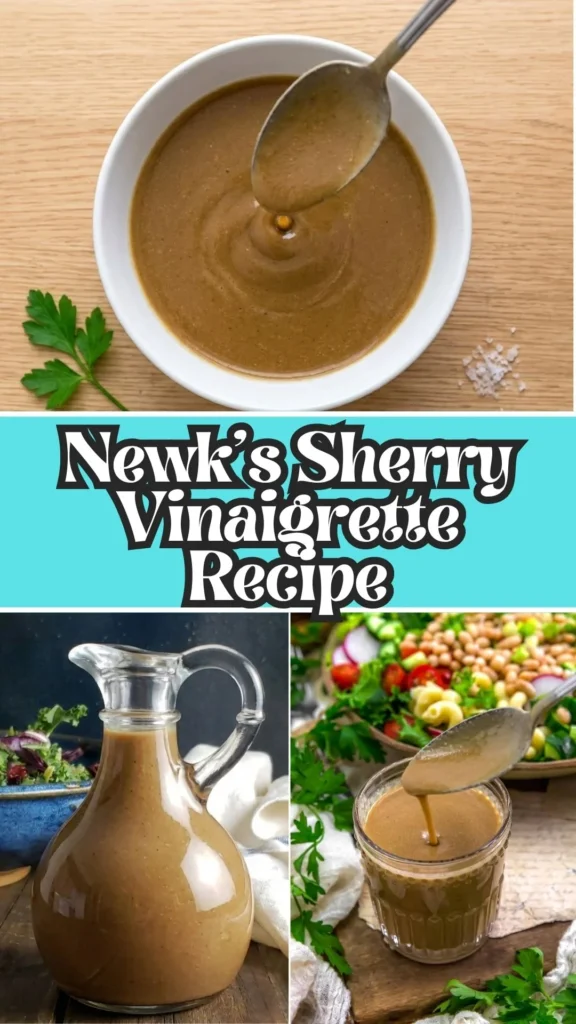
No reheating is needed since this is served cold or at room temperature; just let it sit out for a few minutes if it’s too cold to pour easily straight from the fridge.
Nutrition Facts and Dietary Notes
Per 2-tablespoon serving, this vinaigrette contains roughly 110–130 calories, primarily from the neutral oil. It’s naturally gluten-free, dairy-free, and vegan as written, with no adaptations needed.
For a lower-calorie version, reduce the oil slightly and add a splash of water to loosen the consistency.
Sherry vinegar also offers a small amount of antioxidants, and using a heart-healthy neutral oil like safflower keeps the fat content leaning toward unsaturated fats rather than saturated ones.
FAQs About Newk’s Sherry Vinaigrette Recipe
Your guide to frequently asked Newk’s Sherry Vinaigrette Recipe questions and answers.
1. Can I substitute sherry vinegar with something else?
Red wine vinegar is the closest substitute, though it lacks sherry vinegar’s slightly nutty, sweet depth.
2. Why did my vinaigrette separate?
It likely wasn’t emulsified enough – try using a blender and adding the oil more slowly next time.
3. How far in advance can I make this?
You can make it up to a day ahead; the flavor actually improves as it sits overnight.
4. What oil works best?
Grapeseed, safflower, or sunflower oil are ideal. Avoid canola for the best flavor.
5. Is this vinaigrette spicy or sweet?
Neither – it’s tangy and savory with a subtle herbal note, not spicy or overtly sweet.
Newk’s Sherry Vinaigrette Recipe
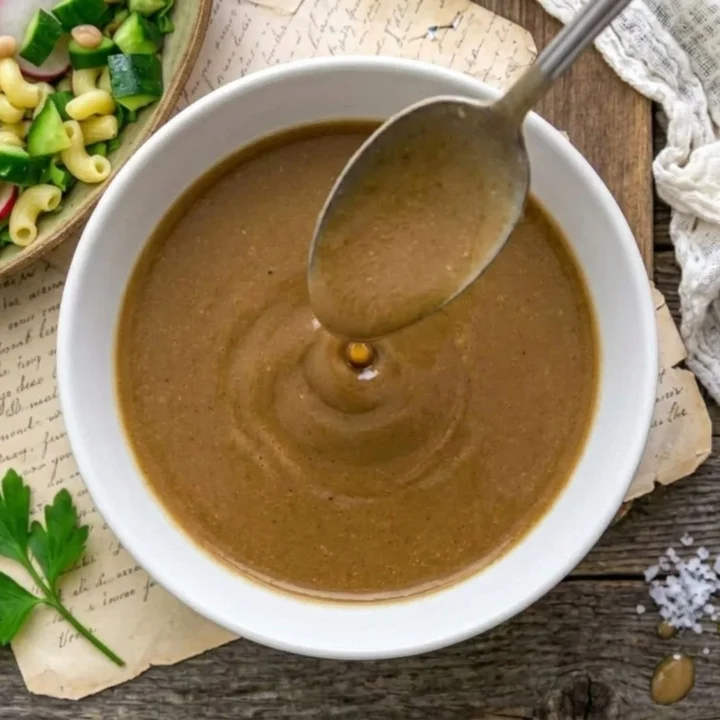
The first time I tasted Newk’s sherry vinaigrette, I nearly asked the server what was in it right at the table. It had that tangy, slightly sweet bite that clings perfectly to crisp greens, but there was something else going on underneath – an herby, savory depth I couldn’t quite place. Turns out the secret is deceptively simple: sherry vinegar, Dijon mustard, shallot, and fresh thyme, whisked into a silky emulsion.
Ingredients
- Sherry vinegar – 1/2 cup
- Neutral oil – 1 cup
- Smooth Dijon mustard – 1 tablespoon
- Shallot – 1 small, minced
- Fresh thyme leaves – 1 teaspoon
- Salt and freshly cracked black pepper – to taste
Instructions
- Start the Acid Base: Add the sherry vinegar and Dijon mustard to your blender or mixing bowl.
- Add Aromatics & Seasonings: Mix in the minced shallot, fresh thyme leaves, salt, and pepper.
- Begin Emulsifying the Oil: With the blender running on low (or while whisking continuously by hand), slowly stream in the neutral oil.
- Finish the Emulsion & Check Ratio: Continue adding oil gradually until fully incorporated and the vinaigrette looks smooth and slightly thickened – about a 2:1 ratio of oil to vinegar.
- Taste & Adjust Seasoning: Taste and adjust salt, pepper, or vinegar as needed.
- Store or Use Immediately: Transfer to an airtight container and use immediately, or refrigerate to let the flavors develop further.
Notes
Store the vinaigrette in an airtight jar or container in the refrigerator for up to 5–7 days. Since it’s blended, the emulsion holds fairly well, but expect some natural separation over time – simply shake or whisk it briefly before using. No reheating is needed since this is served cold or at room temperature; just let it sit out for a few minutes if it’s too cold to pour easily straight from the fridge.
This Newk’s sherry vinaigrette recipe proves that a handful of quality ingredients, handled with a little patience, can outshine anything store-bought. Whether you drizzle it over a simple salad or use it to balance crispy fried bites, it’s a dressing worth keeping on hand.
Give it a try, then let us know in the comments how you served it. Looking for more copycat recipes? Browse our other restaurant-inspired dishes for your next kitchen project.
We’d love to hear how this recipe turns out for you! Give it a try, then drop a comment below to share your thoughts and tips with us.
You can also follow us on Pinterest, and YouTube for more delicious updates and kitchen inspiration. Your feedback and support mean the world to us!