Little Caesars Pizza Dough Recipe
There’s something about that thin, chewy-crisp crust from Little Caesars that sticks with you. I remember standing in line for a Hot-N-Ready as a kid, more excited about the crust than the toppings.
Years later, after way too many kitchen experiments, I finally cracked a homemade little caesars pizza dough recipe that nails that same slightly sweet, golden, bubbly base.
It’s simple – just flour, water, yeast, salt, and honey – but the magic is in the time you give it. A quick note before we start: patience is the real secret ingredient here, not a fancy technique.
This dough pairs perfectly with roberto soup for a comforting meal, and you can also serve it alongside cauliflower crust pizza for a delicious bread-and-pizza combination.
What Is This Food and Why Do Fans Love It?
A little caesars pizza dough recipe is built around a thin-crust pizza base that’s crisp on the bottom, soft in the middle, and slightly sweet from a touch of honey. Fans love it because it strikes a rare balance – sturdy enough to hold toppings without going soggy, yet light and airy enough that it doesn’t feel heavy.
Compared to New York-style dough, it’s less chewy and stretchy; compared to Neapolitan dough, it’s less charred and blistered. What makes it unique is the subtle sweetness paired with a salty, yeasty backbone, plus a texture that’s somewhere between a flatbread and a classic pizzeria crust.
It’s approachable, nostalgic, and endlessly customizable, which is exactly why home cooks keep chasing this specific flavor.
The Nostalgic History Behind This Food
Fast-food pizza chains popularized thin, mass-produced crusts in the 1980s and ’90s as a way to serve pizza quickly and affordably. This style of little caesars pizza dough recipe became a staple of quick-service pizza, prized for consistency and speed rather than artisan flair.

Over time, as fresher, slow-fermented styles gained popularity, this classic thin crust got phased out of trendier pizzerias, though it never lost its place in casual, nostalgic comfort food. What sets it apart from newer artisan doughs is its straightforward mixing method and shorter ingredient list – no starters, no fancy flours.
It’s a dough built for reliability and familiarity, not innovation, which is exactly why it still holds a soft spot for so many home cooks today.
Key Ingredients That Give This Food Its Signature Flavor
The magic of a good little caesars pizza dough recipe comes down to a handful of humble ingredients working together. Warm water (105–110°F) activates the yeast without killing it, kickstarting fermentation.
Active dry yeast is the leavening backbone, producing the air bubbles that give the crust its light, chewy texture. Honey adds a whisper of sweetness that balances the saltiness and helps the crust brown beautifully in the oven. Fine sea salt does double duty – it enhances flavor and also slows fermentation just enough to develop deeper taste over time. All-purpose flour provides the structure and chew, striking a nice middle ground between a delicate flatbread and a dense bread crust.
Finally, a light coating of olive oil keeps the dough from sticking and drying out during its long rest. Together, these simple pantry staples create that unmistakable slightly sweet, salty, golden flavor fans crave.
Little Caesars Pizza Dough Recipe Ingredients
Here’s everything you’ll need for this little caesars pizza dough recipe:
- 1¼ cups warm water (105–110°F) – Water in this exact range activates the yeast properly; too hot and it kills the yeast, too cold and it won’t activate.
- ½ tablespoon fine sea salt – Controls fermentation speed and boosts flavor. Kosher salt can work, but use slightly less since it’s coarser and less dense.
- 1 teaspoon honey – Adds subtle sweetness and helps browning. Sugar or agave can substitute in a pinch, though honey gives the closest flavor match.
- ½ teaspoon active dry yeast – The leavening agent. Instant yeast can be substituted 1:1, but skip the proofing step if you do.
- 3⅓ cups (420g) all-purpose flour – Provides structure and chew. Bread flour can be swapped in for a slightly chewier crust.
- Light olive oil (for oiling the bowls) – Prevents sticking during the long rise. Any neutral oil works if you don’t have olive oil on hand.
Tools You Need to Make This Recipe at Home
- Large mixing bowl
- Small bowl (for the yeast mixture)
- Firm spatula
- Kitchen scale (optional, for accurate flour measurement)
- Plastic wrap
- Two medium bowls (for the cold ferment)
- Clean work surface
Prep Time: 20 minutes (plus 4–5 hours rising and 24–hour cold ferment)
Cook Time: Varies by recipe use (baking not included in dough prep)
Steps to Make This Little Caesars Pizza Dough Recipe
1. Activate the Yeast: In a bowl, combine the warm water (105–110°F), fine sea salt, and honey.
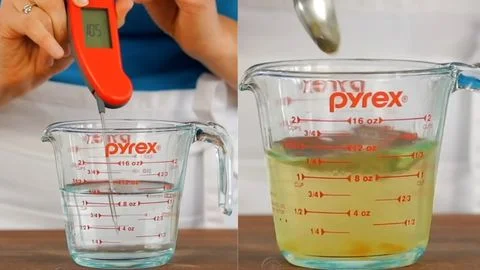
Stir until fully dissolved. Sprinkle the active dry yeast evenly over the top. Let it sit undisturbed for about 5 minutes to proof.
2. Combine the Ingredients: Place the flour in a large mixing bowl and form a well in the center.
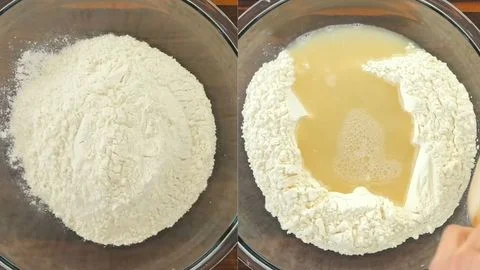
Stir the yeast mixture once more, then pour it into the well of flour. Mix with a firm spatula until the wet and dry ingredients are fully combined.
3. Knead the Dough: Knead the dough by hand for about 2 minutes, until no dry streaks remain.
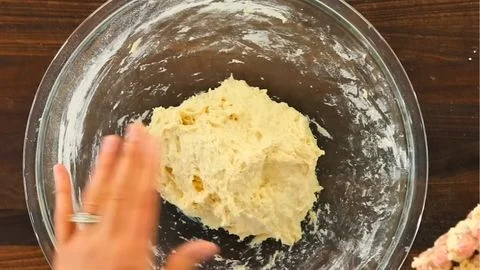
It should feel sticky on your hand but barely cling to clean, dry fingertips.
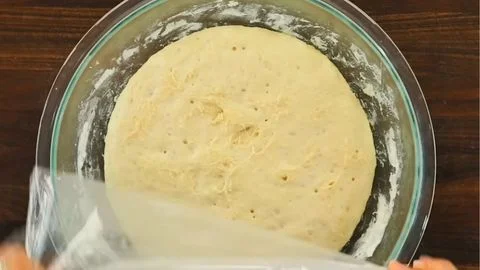
4. First Rise (Bulk Fermentation): Cover the bowl tightly with plastic wrap and let it rise at room temperature for 4–5 hours, or until doubled in size (keep it below 110°F even in a warm spot).
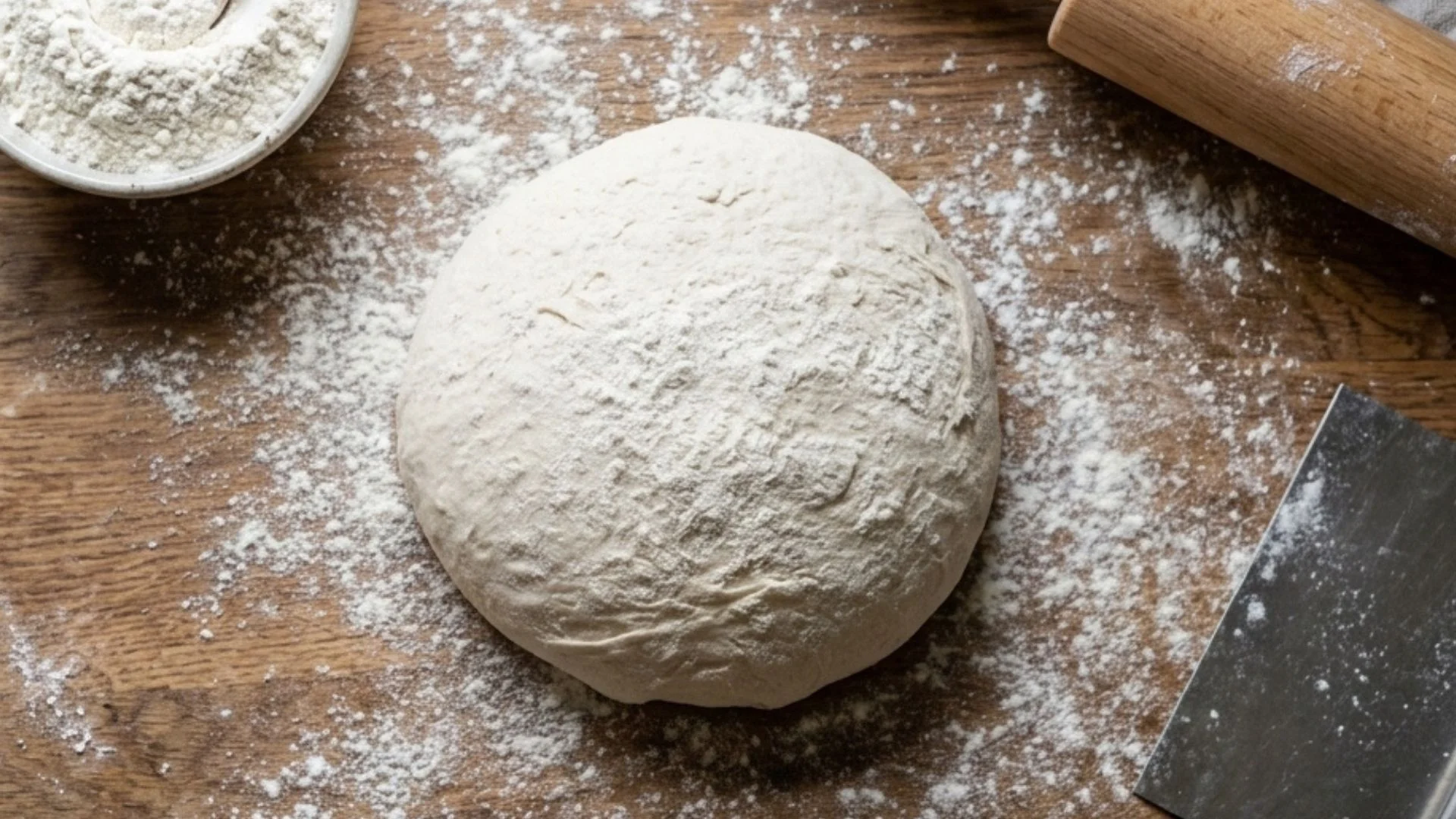
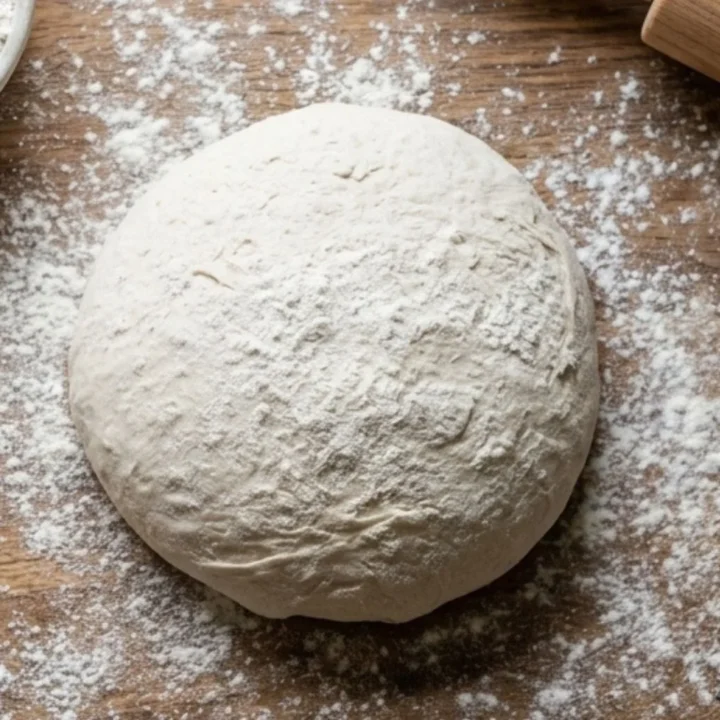
5. Divide and Shape the Dough Balls: Generously flour a work surface and scrape the dough out. Lightly flour the top and divide it into two equal pieces.
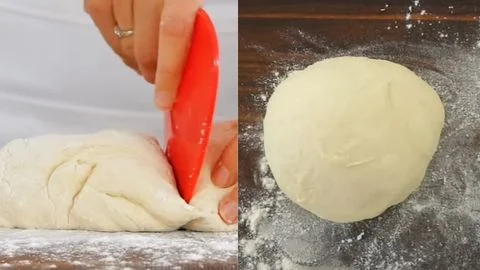
Fold each piece 8 times – wrap your hands around the dough, fold the edges into the center, turn, and repeat gently (don’t squeeze). Seal the edges on the final fold to form a smooth ball. Place each ball seam-side down into a lightly oiled bowl.
6. Cold Fermentation & Final Preparation: Cover tightly with plastic wrap and refrigerate for at least 24 hours, up to 5 days, to develop flavor through cold fermentation.
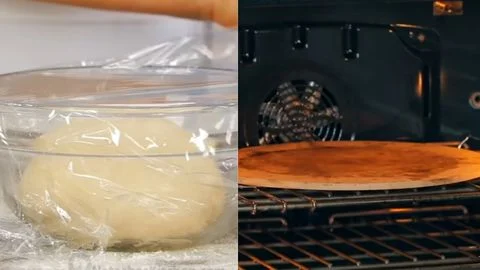
About 1 hour before using, remove the dough from the fridge so it can come to room temperature before shaping and baking.
Pro Tips for Getting the Flavor Just Right
Getting an authentic little caesars pizza dough recipe right comes down to a few key details. First, water temperature matters more than people think – stay strictly within 105–110°F, since anything hotter kills the yeast and anything colder slows activation too much.
Second, don’t rush the cold ferment. Refrigerating for the full 24 hours (or longer, up to 5 days) is what develops the deeper, slightly tangy flavor and airy bubble structure that separates homemade dough from a bland, flat crust.
Third, be gentle when folding the dough – squeezing or over-handling deflates the air pockets you’ve worked hard to build. Fourth, always let the dough fully come to room temperature before shaping; cold dough is stiff, tears easily, and won’t stretch evenly.

A common mistake is skipping the yeast-proofing step – if your yeast doesn’t foam slightly after 5 minutes, it may be dead, and your dough won’t rise properly. Finally, resist adding extra flour during kneading; the dough is supposed to feel sticky at first. Trust the process, and you’ll get that signature light, chewy, golden crust every time.
Easy Variations to Customize This Food
While this little caesars pizza dough recipe is delicious as-is, it’s easy to customize. Swap all-purpose flour for bread flour if you want a chewier, more structured crust. For a slightly richer flavor, add a tablespoon of olive oil directly into the dough mixture.
Want a hint of garlic flavor baked right in? Mix in a small pinch of garlic powder with the flour. If you prefer a slightly sweeter crust, increase the honey to 1½ teaspoons. You can also experiment with a whole wheat and all-purpose flour blend for added texture and a nuttier taste, without losing that classic thin-crust bite.
Best Ways to Use This Food in Your Meals
This little caesars pizza dough recipe is endlessly versatile beyond a classic cheese pizza. Stretch it thin and top it with marinara, mozzarella, and pepperoni for a fast-food-style pizza night at home.
Use it to make a deep-dish-style Detroit pizza by pressing it into a square pan with cheese all the way to the edges for that crispy, caramelized crust. Turn leftover dough into breadsticks – just shape into strips, brush with garlic butter, and bake until golden. It also works beautifully as a base for flatbread appetizers topped with olive oil, herbs, and parmesan.
For a fun twist, roll it around a filling of cheese and marinara to make homemade calzones or pizza pockets, perfect for lunchboxes or quick snacks. However you use it, this dough’s slightly sweet, chewy character makes it a flexible base for both classic and creative meals.
How to Store and Keep It Fresh
After making your little caesars pizza dough recipe, store any unused portion tightly wrapped in the refrigerator for up to 5 days, taking advantage of continued cold fermentation. For longer storage, freeze shaped dough balls in an airtight bag for up to 3 months.

Thaw overnight in the fridge, then let it come to room temperature for about an hour before shaping. Avoid reheating raw dough – simply bring it to room temperature and bake fresh for the best texture.
Nutrition Facts and Dietary Notes
One portion of this little caesars pizza dough recipe (about ⅛ of the full batch, unbaked) contains roughly 150–170 calories, primarily from carbohydrates. It’s naturally dairy-free and can be made vegan by using agave instead of honey.
For a gluten-free version, substitute a 1:1 gluten-free flour blend, though texture may vary slightly. This dough is relatively low in fat and sugar, making it a lighter base compared to store-bought alternatives, especially when topped with fresh, whole-food ingredients.
FAQs About The Little Caesars Pizza Dough Recipe
Your guide to frequently asked Little Caesars Pizza Dough questions and answers.
1. Why is my little caesars pizza dough recipe not rising?
Your water may have been too hot or too cold, or your yeast may be expired. Make sure water stays between 105–110°F.
2. Can I skip the 24-hour refrigeration step?
You can, but the flavor and texture won’t be as developed. Cold fermentation is key to that signature taste.
3. Can I use instant yeast instead of active dry yeast?
Yes, substitute it 1:1, but you can skip the 5-minute proofing step since instant yeast doesn’t require it.
4. Why does my dough feel too sticky?
That’s normal – the dough should be sticky to the touch but barely cling to clean, dry fingertips. Avoid adding extra flour.
5. How long can I keep the dough in the fridge?
Up to 5 days. The flavor actually improves the longer it ferments, up to that point.
Little Caesars Pizza Dough Recipe
There’s something about that thin, chewy-crisp crust from Little Caesars that sticks with you. I remember standing in line for a Hot-N-Ready as a kid, more excited about the crust than the toppings. Years later, after way too many kitchen experiments, I finally cracked a homemade little caesars pizza dough recipe that nails that same slightly sweet, golden, bubbly base.
Ingredients
- 1¼ cups warm water
- ½ tablespoon fine sea salt
- 1 teaspoon honey
- ½ teaspoon active dry yeast
- 3⅓ cups (420g) all-purpose flour
- Light olive oil
Instructions
- Activate the Yeast: In a bowl, combine the warm water (105–110°F), fine sea salt, and honey. Stir until fully dissolved. Sprinkle the active dry yeast evenly over the top. Let it sit undisturbed for about 5 minutes to proof.
- Combine the Ingredients: Place the flour in a large mixing bowl and form a well in the center. Stir the yeast mixture once more, then pour it into the well of flour. Mix with a firm spatula until the wet and dry ingredients are fully combined.
- Knead the Dough: Knead the dough by hand for about 2 minutes, until no dry streaks remain. It should feel sticky on your hand but barely cling to clean, dry fingertips.
- First Rise (Bulk Fermentation): Cover the bowl tightly with plastic wrap and let it rise at room temperature for 4–5 hours, or until doubled in size (keep it below 110°F even in a warm spot).
- Divide and Shape the Dough Balls: Generously flour a work surface and scrape the dough out. Lightly flour the top and divide it into two equal pieces. Fold each piece 8 times – wrap your hands around the dough, fold the edges into the center, turn, and repeat gently (don’t squeeze). Seal the edges on the final fold to form a smooth ball. Place each ball seam-side down into a lightly oiled bowl.
- Cold Fermentation & Final Preparation: Cover tightly with plastic wrap and refrigerate for at least 24 hours, up to 5 days, to develop flavor through cold fermentation. About 1 hour before using, remove the dough from the fridge so it can come to room temperature before shaping and baking.
Notes
After making your little caesars pizza dough recipe, store any unused portion tightly wrapped in the refrigerator for up to 5 days, taking advantage of continued cold fermentation. For longer storage, freeze shaped dough balls in an airtight bag for up to 3 months. Thaw overnight in the fridge, then let it come to room temperature for about an hour before shaping. Avoid reheating raw dough – simply bring it to room temperature and bake fresh for the best texture.
And that’s it – your own homemade little caesars pizza dough recipe, ready for topping and baking. It takes a little patience, but the payoff is a crust that tastes just like the nostalgic favorite you remember.
Give it a try this weekend, and let me know in the comments how your pizza night turned out! Looking for more copycat recipes? Check out our other fast-food-inspired dishes for your next kitchen adventure.
We’d love to hear how this recipe turns out for you! Give it a try, then drop a comment below to share your thoughts and tips with us.
You can also follow us on Pinterest, and YouTube for more delicious updates and kitchen inspiration. Your feedback and support mean the world to us!