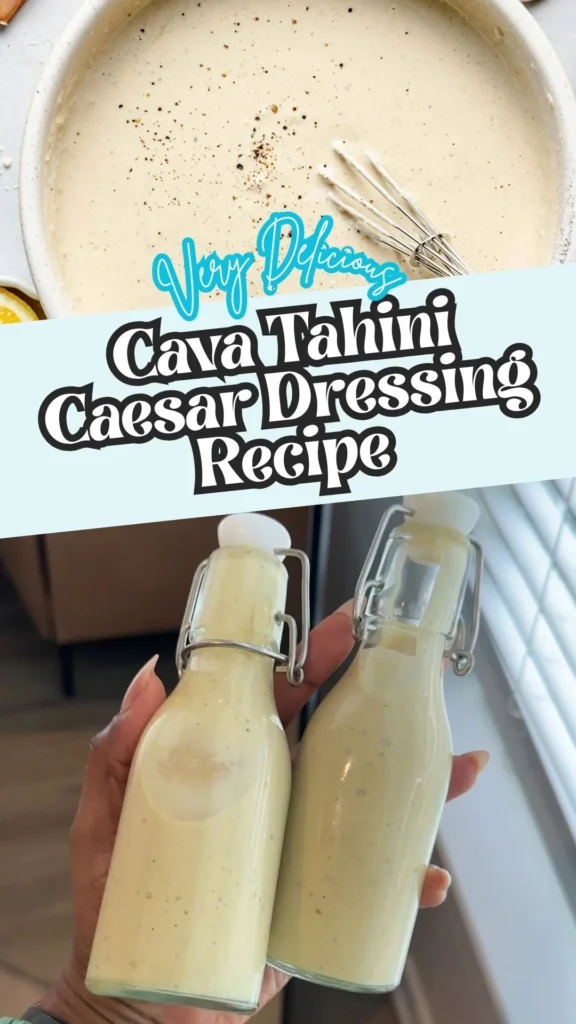
Cava Tahini Caesar Dressing Recipe
The first time I tasted cava tahini caesar dressing, I was standing in line at Cava with a half-empty bowl, wondering why I couldn’t stop dragging every bite of lettuce through it.
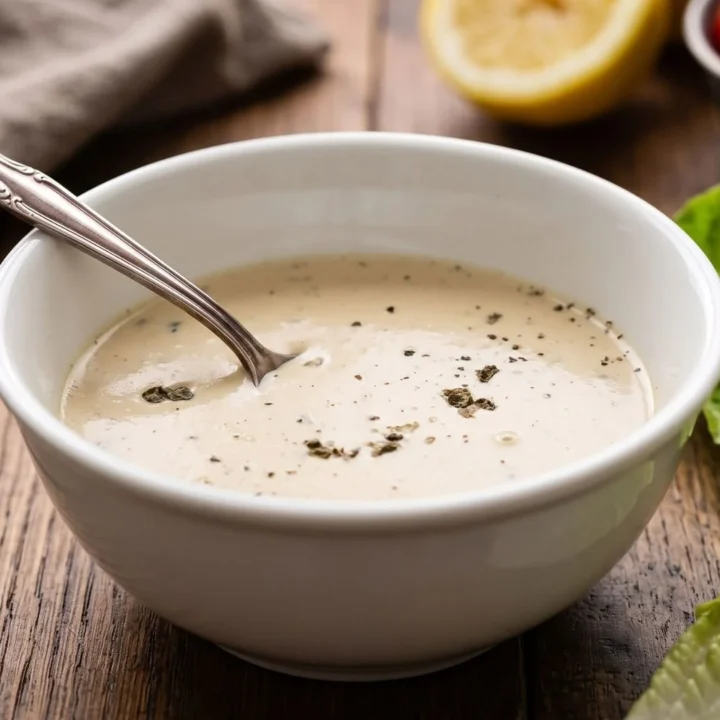
It’s creamy but bright, garlicky but not overpowering, with a briny little kick from capers that makes it taste more complex than a dressing has any right to be. After a few failed attempts, I finally cracked a version that tastes remarkably close to the original – and it takes ten minutes with a whisk and a bowl.
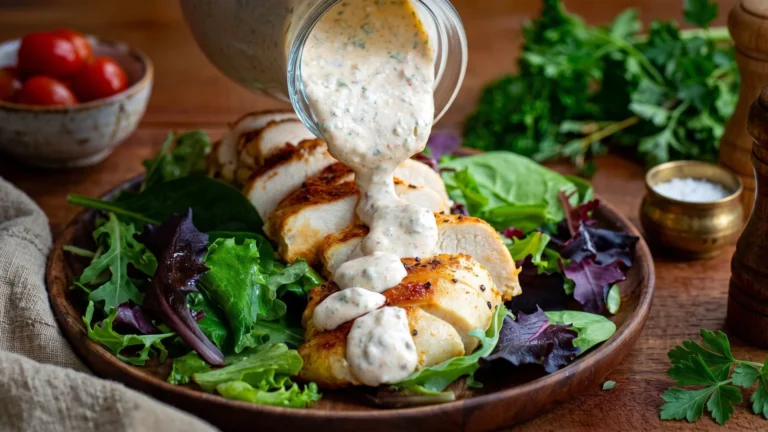
Serve it with a crisp salad, drizzle it over grilled chicken, or pair it with Fried Chicken, mashed potatoes, and Bread and Butter Pickles for a seriously satisfying meal. This cava tahini dressing recipe skips the dairy entirely, so it’s naturally vegan, yet it still delivers that rich, umami-loaded punch caesar lovers crave. Quick note: the flavor actually improves after an hour in the fridge, so don’t skip the resting time if you can help it.
What Is Cava Tahini Caesar Dressing and Why Do Fans Love It?
Cava’s tahini caesar dressing is a plant-based twist on the classic Caesar, swapping anchovies and egg yolk for tahini, capers, and nutritional yeast to build that same salty, umami-rich backbone.
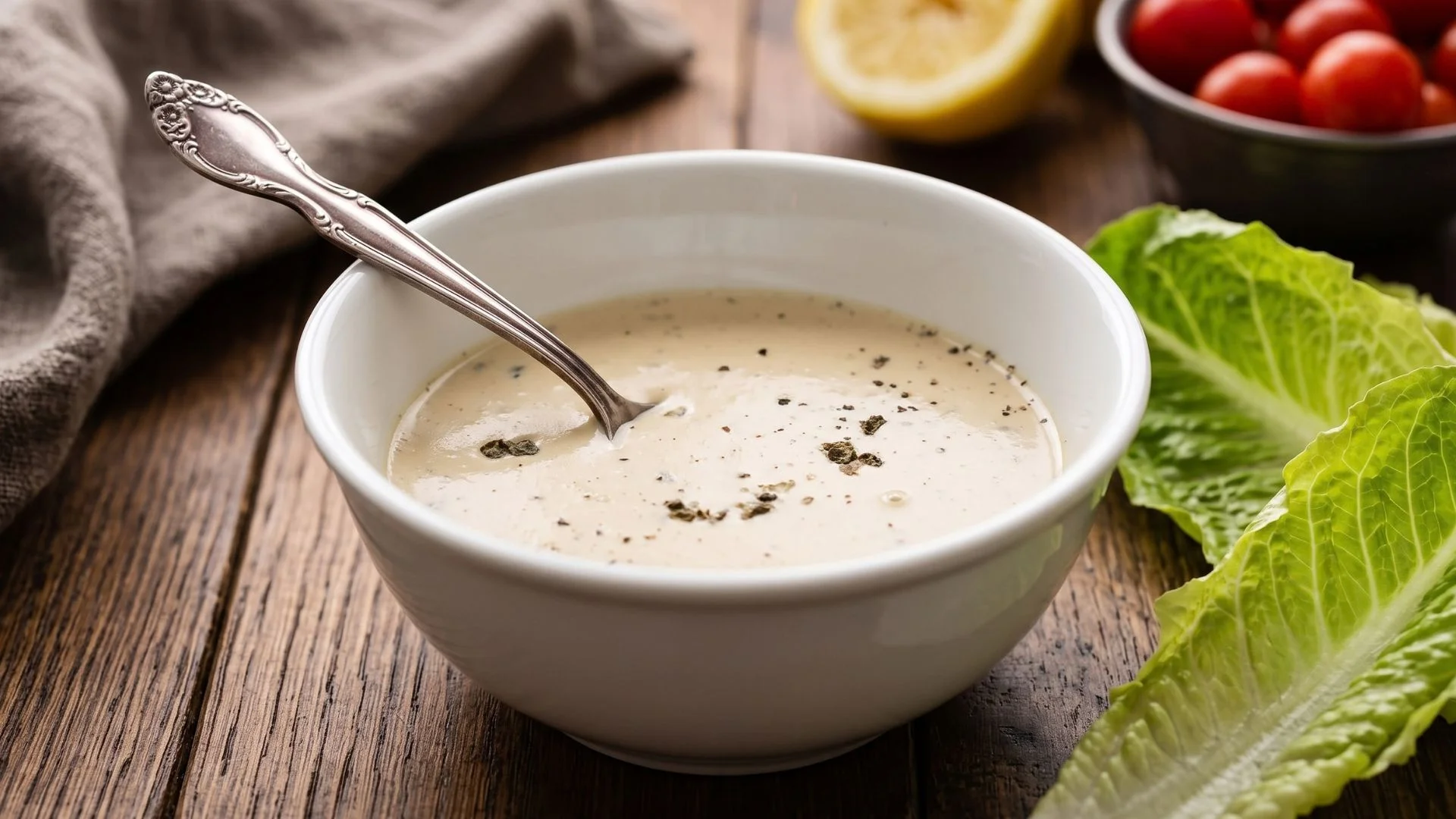
The result is a dressing that’s nutty and slightly bitter from sesame, sharp from lemon and vinegar, and deeply savory thanks to vegan Worcestershire and nutritional yeast standing in for Parmesan’s funk.
Compared to a traditional Caesar, it’s thicker and earthier, closer in texture to a tahini sauce than a classic emulsified dressing. Fans love it because it manages to feel indulgent without any dairy or egg, and the caper brine adds a briny complexity most vegan dressings skip entirely.
It’s become one of Cava’s most requested items precisely because it doesn’t taste like a “substitute” – it tastes like its own thing, which is why so many home cooks go looking for a cava tahini caesar dressing recipe to recreate it.
The Nostalgic History Behind This Dressing
Traditional Caesar dressing dates back to the 1920s, built on raw egg, anchovy, garlic, and Parmesan – a formula that stuck around largely unchanged for decades. As plant-based eating grew mainstream, fast-casual chains like Cava began reworking classic dressings to fit dairy-free and vegan menus without losing the flavors people already loved.
Tahini became the natural stand-in for egg and cheese because it brings the same richness and clinginess to greens, while capers and nutritional yeast fill in the salty, savory notes anchovies and Parmesan used to provide.
This isn’t a newer “Caesar-inspired” sauce invented from scratch – it’s a deliberate reimagining of the original, built ingredient by ingredient to preserve the taste fans grew up on. That history is part of why the dressing feels nostalgic even to people trying it for the first time: it’s engineered to taste familiar.
Key Ingredients That Give This Dressing Its Signature Flavor
Every ingredient in this dressing is doing specific work. Tahini forms the creamy, nutty base and replaces the egg yolk’s richness from a classic Caesar. Garlic, made into a paste rather than just minced, disperses evenly so you get garlic flavor in every bite instead of hot spots.
Capers and their brine bring the salty, briny sharpness that anchovies traditionally provide – this is the ingredient most people don’t expect, and it’s what makes the dressing taste authentic rather than like a generic tahini sauce. Lemon juice and apple cider vinegar work together for acidity, cutting through the tahini’s density so the dressing doesn’t feel heavy.
Vegan Worcestershire sauce (or tamari) adds a deep, savory undertone, while Dijon mustard sharpens the whole mixture and helps everything emulsify. Nutritional yeast rounds it out with a cheesy, umami finish that mimics Parmesan. Together, these ingredients recreate the layered, savory complexity of a real Caesar dressing without a drop of dairy or fish.
Cava Tahini Caesar Dressing Ingredients
Here’s everything you need for this cava tahini caesar dressing recipe, along with why each ingredient matters and how you can swap it if needed:
- ⅓ cup tahini – The creamy base. Choose a runny, well-stirred tahini for the smoothest result; a stiff or separated jar will make the dressing harder to thin.
- 1–2 cloves garlic, made into a paste – Use a microplane or the flat of a knife with a pinch of salt to mash it into a paste. This avoids chunky garlic bits and spreads the flavor evenly. Start with 1 clove if you’re sensitive to raw garlic.
- Minced capers with their brine – The signature briny, salty note. Non-pareil capers work best because they mince finely. In a pinch, chopped green olives with a splash of their brine can substitute.
- Juice of 1 lemon – Fresh is essential here; bottled lemon juice tastes flat next to tahini’s richness.
- Apple cider vinegar – Adds tang and brightness. White wine vinegar or rice vinegar can work if that’s what you have.
- Vegan Worcestershire sauce – Deepens the umami flavor. Tamari or soy sauce is a solid substitute if you can’t find a vegan Worcestershire.
- Dijon mustard – Sharpens the flavor and helps bind the dressing. Yellow mustard works in a pinch but is milder.
- Nutritional yeast – Gives a cheesy, savory finish that stands in for Parmesan. Don’t skip this – it’s key to the “Caesar” flavor.
- Salt and pepper, to taste – Season gradually, since capers and Worcestershire already bring salt.
- About ¼ cup water – Used to thin the dressing to your preferred consistency; add gradually.
Tools You Need to Make This Recipe at Home
You don’t need anything fancy for this cava tahini dressing recipe – just a few basics:
- A medium mixing bowl
- A whisk or fork
- A microplane or garlic press (for the garlic paste)
- A cutting board and knife (for mincing capers)
- A citrus juicer (optional, but helpful)
- A jar or airtight container for storage
Prep time: 10 minutes
Cook time: None (no-cook recipe)
Total time: 10 minutes
Steps to Make This Cava Tahini Caesar Dressing Recipe
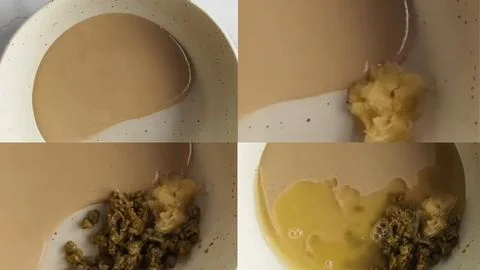
1. Combine the Ingredients
In a medium bowl, combine the tahini, garlic paste, minced capers with their brine, lemon juice, apple cider vinegar, vegan Worcestershire sauce (or tamari), Dijon mustard, nutritional yeast, salt, and pepper.
2. Mix the Thick Base
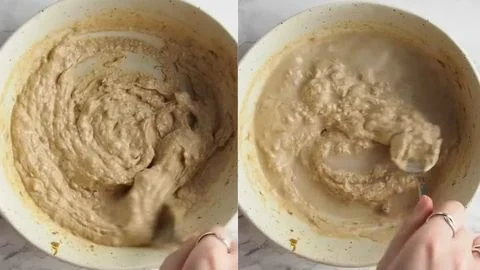
Mix everything thoroughly while the mixture is still thick – this is much easier to do before adding any water, since the ingredients bind together better at a paste-like consistency.

3. Thin the Dressing
Gradually thin the dressing with water, starting with less than ¼ cup and adding a little at a time until you reach your desired consistency.
4. Account for Fridge Thickening
Keep in mind the dressing will continue to thicken in the fridge, so if you’re making it ahead of time, mix it slightly thinner than you want it to be when serving.

5. Taste and Adjust Seasoning
Taste and adjust the seasoning, adding more salt, pepper, lemon, or capers as needed.

6. Serve or Store
Serve over salad, or store for later use.
Pro Tips for Getting the Flavor Just Right
The biggest mistake people make with this cava tahini caesar dressing recipe is adding water too early. Tahini seizes and separates easily when it’s diluted before the other ingredients are fully incorporated, so always mix everything into a thick paste first, then thin it out gradually. Add water a tablespoon at a time – it’s much easier to loosen a thick dressing than to fix one that’s gone watery.
Garlic paste matters more than people expect. Roughly minced garlic gives you unpredictable bites of raw garlic heat, while a true paste (made with a microplane, garlic press, or the flat-knife-and-salt method) distributes flavor evenly throughout.
Don’t skip the caper brine. It’s tempting to just add the capers and toss the liquid, but the brine is doing real work – it adds acidity and salt that balance the tahini’s richness. If your dressing tastes flat, a splash more brine is often the fix before reaching for more salt.
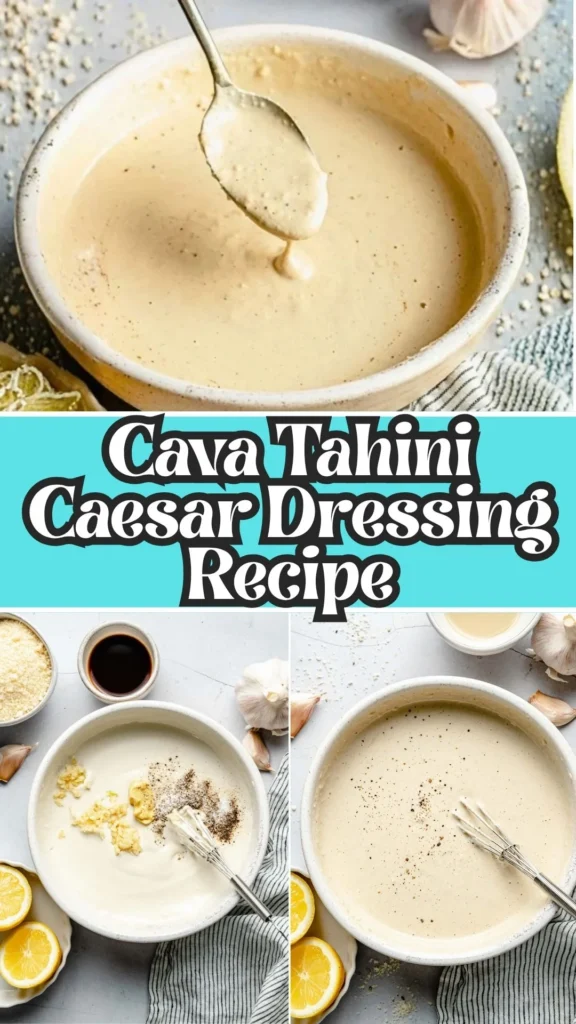
Taste again after chilling. Cold mutes flavors slightly, so a dressing that tasted perfectly balanced at room temperature may need another squeeze of lemon or pinch of salt once it’s been in the fridge for an hour. Always do a final taste check right before serving.
Easy Variations to Customize This Dressing
This cava tahini dressing recipe is easy to adjust to your taste. For extra heat, whisk in a pinch of cayenne or a dash of hot sauce. If you prefer a milder garlic flavor, roast the garlic first instead of using it raw – it mellows the sharpness while adding a subtle sweetness.
Want it herbier? Stir in finely chopped parsley or dill. For a thicker, more scoopable dip-style version, simply use less water and serve it alongside vegetables or pita instead of salad.
You can also swap apple cider vinegar for red wine vinegar for a slightly different tang, or add a small spoonful of maple syrup if you like a touch of sweetness to balance the acidity.
Best Ways to Use This Dressing in Your Meals
While it’s built for salads, this dressing is versatile enough to work across a whole meal. Its most natural home is a Caesar-style salad with romaine, vegan Parmesan, and croutons, but it also makes an excellent base for a grain bowl – drizzle it over rice, quinoa, or farro with roasted vegetables and chickpeas for a satisfying lunch.
It pairs especially well with crispy buffalo tofu, adding a cooling, tangy contrast to the heat. Try it as a sandwich or wrap spread in place of mayo, especially in a veggie or falafel wrap, where its brininess cuts through richer fillings. It also works as a dip for raw vegetables, roasted potatoes, or even a savory addition to a grazing board.
For a heartier dinner, toss it with warm roasted cauliflower or broccoli just before serving – the warmth loosens the dressing slightly and helps it coat every piece. However you serve it, a light sprinkle of extra nutritional yeast or cracked pepper on top brings the flavor full circle.
How to Store and Keep It Fresh
Store this dressing in an airtight container or jar in the refrigerator for up to one week. It will thicken as it chills, so thin it with a splash of water and whisk before serving if needed.
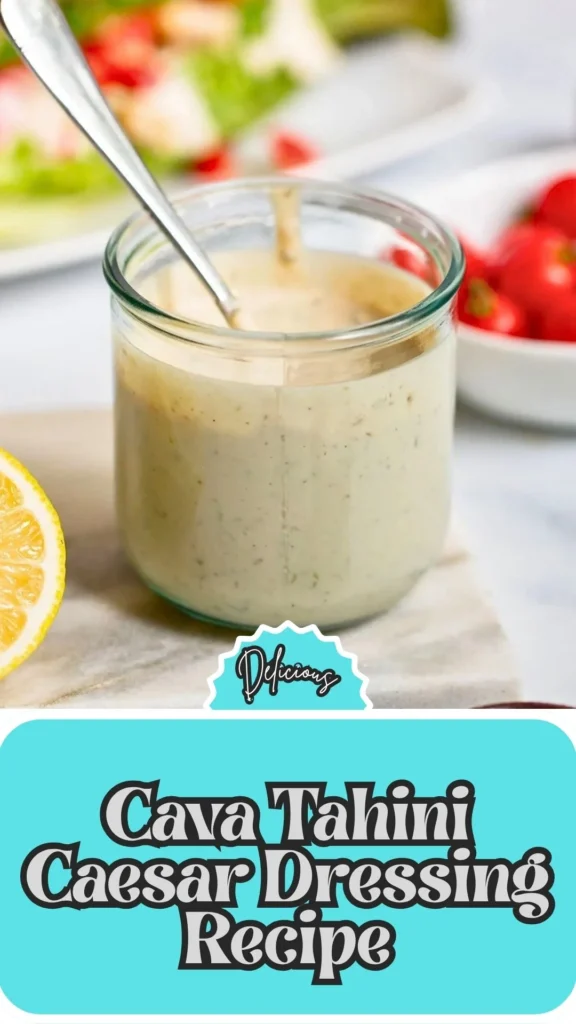
There’s no reheating required since it’s meant to be served cold or at room temperature – just give it a good stir to bring it back to a smooth, pourable consistency after refrigeration.
Nutrition Facts and Dietary Notes
This dressing is naturally vegan, dairy-free, and egg-free, making it a great alternative to traditional Caesar dressing. A typical 2-tablespoon serving runs around 70–90 calories, largely from tahini’s healthy fats.
It’s naturally gluten-free as long as you use tamari instead of regular Worcestershire sauce, and it can fit a keto-friendly diet in moderation given its low carb content.
Tahini also provides calcium, iron, and plant-based protein, while nutritional yeast adds B-vitamins, making this dressing a nutrient-denser choice than most creamy, mayo-based alternatives.
FAQs About This Cava Tahini Caesar Dressing Recipe
Discover answers to the most common Cava Tahini Caesar Dressing Recipe questions people ask.
Is cava tahini caesar dressing vegan?
Yes, it’s entirely plant-based – tahini, capers, and nutritional yeast replace the egg and anchovies found in traditional Caesar dressing.
Can I make this dressing gluten-free?
Yes, simply use tamari instead of regular vegan Worcestershire sauce, since some Worcestershire brands contain gluten.
Why did my dressing turn out too thick or too thin?
Tahini brands vary in consistency, so add water gradually and remember the dressing thickens further once refrigerated.
Can I make this cava tahini dressing recipe ahead of time?
Yes, it keeps well in the fridge for up to a week; just mix it slightly thinner than desired since it will thicken over time.
What can I substitute for capers if I don’t have any?
Chopped green olives with a bit of their brine make a close substitute, offering similar brininess and saltiness.
Cava Tahini Caesar Dressing Recipe
The first time I tasted cava tahini caesar dressing, I was standing in line at Cava with a half-empty bowl, wondering why I couldn’t stop dragging every bite of lettuce through it. It’s creamy but bright, garlicky but not overpowering, with a briny little kick from capers that makes it taste more complex than a dressing has any right to be. After a few failed attempts, I finally cracked a version that tastes remarkably close to the original – and it takes ten minutes with a whisk and a bowl.
Ingredients
- ⅓ cup tahini
- 1–2 cloves garlic, made into a paste
- Minced capers with their brine
- Juice of 1 lemon
- Apple cider vinegar
- Vegan Worcestershire sauce
- Dijon mustard
- Nutritional yeast
- Salt and pepper, to taste
- About ¼ cup water
Instructions
- Combine the Ingredients
In a medium bowl, combine the tahini, garlic paste, minced capers with their brine, lemon juice, apple cider vinegar, vegan Worcestershire sauce (or tamari), Dijon mustard, nutritional yeast, salt, and pepper. - Mix the Thick Base
Mix everything thoroughly while the mixture is still thick – this is much easier to do before adding any water, since the ingredients bind together better at a paste-like consistency. - Thin the Dressing
Gradually thin the dressing with water, starting with less than ¼ cup and adding a little at a time until you reach your desired consistency. - Account for Fridge Thickening
Keep in mind the dressing will continue to thicken in the fridge, so if you’re making it ahead of time, mix it slightly thinner than you want it to be when serving. - Taste and Adjust Seasoning
Taste and adjust the seasoning, adding more salt, pepper, lemon, or capers as needed. - Serve or Store
Serve over salad, or store for later use.
Notes
Store this dressing in an airtight container or jar in the refrigerator for up to one week. It will thicken as it chills, so thin it with a splash of water and whisk before serving if needed. There’s no reheating required since it’s meant to be served cold or at room temperature – just give it a good stir to bring it back to a smooth, pourable consistency after refrigeration.
Nutrition Information:
Yield: 8 Serving Size: 1Amount Per Serving: Calories: 140
This cava tahini caesar dressing recipe proves you don’t need dairy or anchovies to get that rich, savory, craveable Caesar flavor. It’s quick, endlessly adaptable, and holds up well in the fridge for whenever a salad craving hits.
Give it a try and let me know in the comments how you served it – I always love hearing which variation people land on. Looking for more copycat dressings and sauces? Browse the recipe index for more.
We’d love to hear how this recipe turns out for you! Give it a try, then drop a comment below to share your thoughts and tips with us.
You can also follow us on Pinterest, and YouTube for more delicious updates and kitchen inspiration. Your feedback and support mean the world to us!